Most Workout in the Least Amount of Time? – Jump Around

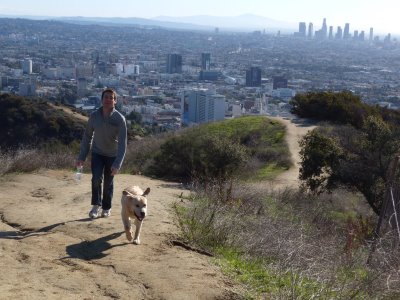
This is Buddy Lee, Crazy pants owner and founder of the Jump Rope institute

Guess House of Pain had it right. (That’s right. I went there.)

Jump up and down for 20 minutes in the morning and you are set for the day. It can: up your metabolism, get your heart pumping, your lungs in shape, your brain working better, and it doesn’t take hours.

According to research The Jump Rope Institute a minimum of five minutes a day can improve physical fitness and when you build to ten minutes of nonstop jumping at 120 RPMs it can provide the same benefits as the following:

  • 30 minutes of jogging
  • 2 sets of tennis singles
  • 30 minutes of racquet and handball playing
  • 720 yards of swimming
  • 18 holes of golf

Pretty impressive huh?

According to various sources, jumping rope is pretty darn safe, if not extremely challenging. (After trying to jump for 2 minutes straight I began to wonder how kids can do this for hours) It’s less impact on the knees than running…since both knees can land at the same time. You can also control the amount of impact by jumping low, lifting with the core, and staying forward on the balls of the feet.

But what if jumping rope is simply not an option for you? No way. No how.

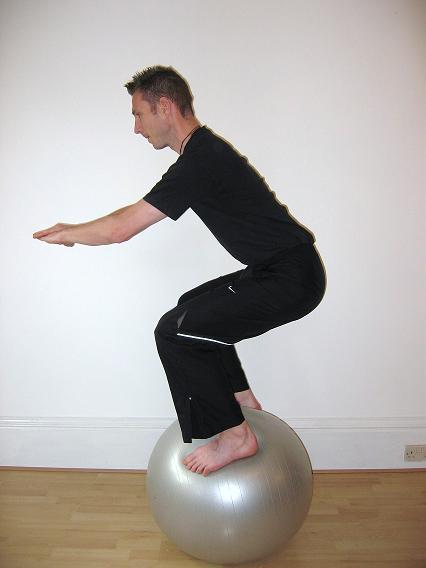
It’s true. There is no perfect exercise for everyone. Jump rope prep exercises can get your body moving and accustomed to the bouncing movement. Put on your favorite music and try bouncing on a mini trampoline (a rebounder) or even bouncing around and playing with your balance on a large stability ball.

Maybe not like this...

And definitely not like this...

While these options are not nearly as intense they are still great cardio options that can be fun, and really that is what is most important.

This is more like it. He's "king of the world"...

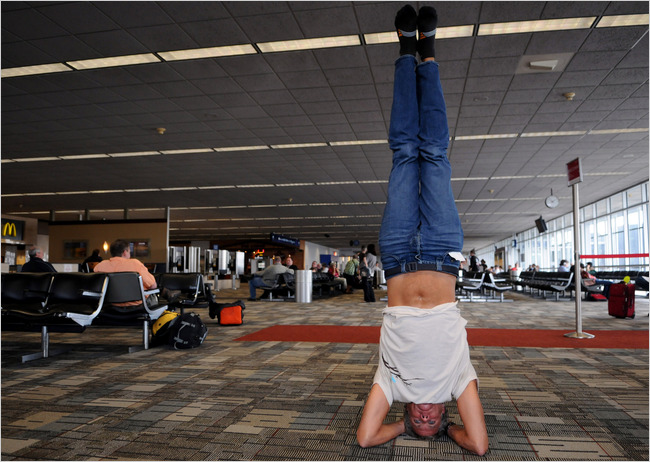
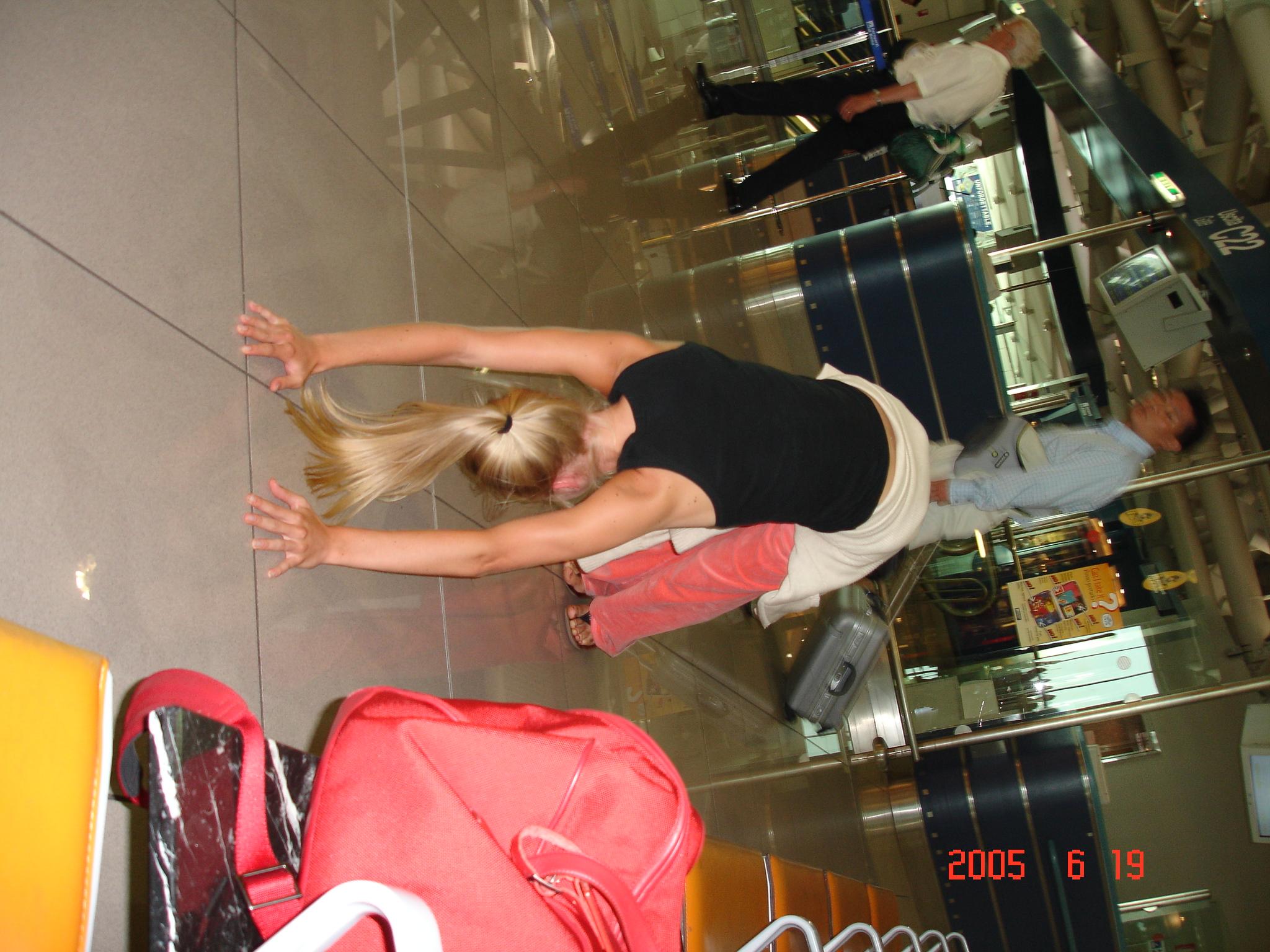
Putting the moves on while at the airport lounge


This is what I’m talking about.

We sit all day. In the car, at work and home, and for hours at the airport and then onto the plane. We take the brunt of demands, sitting down.  We get agitated, crabby and stressed, but do we really do anything about it? Take some action? No.

I, for one, am not going to take this siting down anymore, and I ‘m starting at the airport.

And why not? More and more people exercise at the airport. While you might be the lone spectacle at first, others will soon get brave and follow suit. A call to action takes time.  It’s kind of amazing long we ignore the instinct to move around and stretch.

Here is a New York Times article from this week about exercise at the airport and suggestions for seated stretches.

Below are my recommendations when you are hanging around the airport lounge:

1. Modified Arching

Extension with arm push

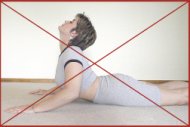
don't do this

This is the antithesis of sitting all day and is very important for spine flexibility.

Lying on your belly. YES. In the airport. Arms are out to the sides and bend your elbows. Palms are flat and all 5 fingers are touch floor. Press Up. Sense the force of the push traveling up your arms, into your back and down your spine. Continue to push your arms down and out into the floor and raise your head and chest off the floor. Keep the back of your neck long. Let your chest feel broad, your neck free, and your spine feel long. The shoulder blades should be drawn together behind you. The arms stay straight. Hold and take deep breaths. If you feel pain in your back, walk your hands out in front of you further, or prop your belly with your jacket. If you feel pain in gluts or legs. Stop.

2. Cat and Cow

On all fours (hands and knees), draw your nose towards the knees, round the spine and drawing the belly in. Next, extend your neck and tailbone up towards the sky, allowing the spine to sink towards the ground. Take deep breaths and move back and forth through these two positions, rounding and arching the back.

3. Roll Downs against the Wall

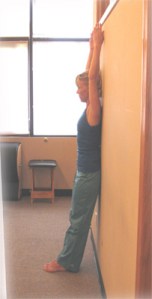
These feel great and provide a much needed spine stretch. Keep your tailbone fixed to the wall and follow the pictures and images below:

drape and reax the neck. Tailbone stays fixed!

drape and reax the neck. Tailbone stays fixed!

Roll up by lifting each bone away from the next as it presses into the wall. Create space between vertebre.

Roll up by lifting each bone away from the next as it presses into  the wall. Create space between vertebre.

Arms can remain by your sides as well. Let the spine slide upwards against the wall, stretcing towards the ceiling. Enjoy taller posture!

Arms can remain by your sides as well. Let the spine slide upwards  against the wall, stretcing towards the ceiling. Enjoy taller posture!

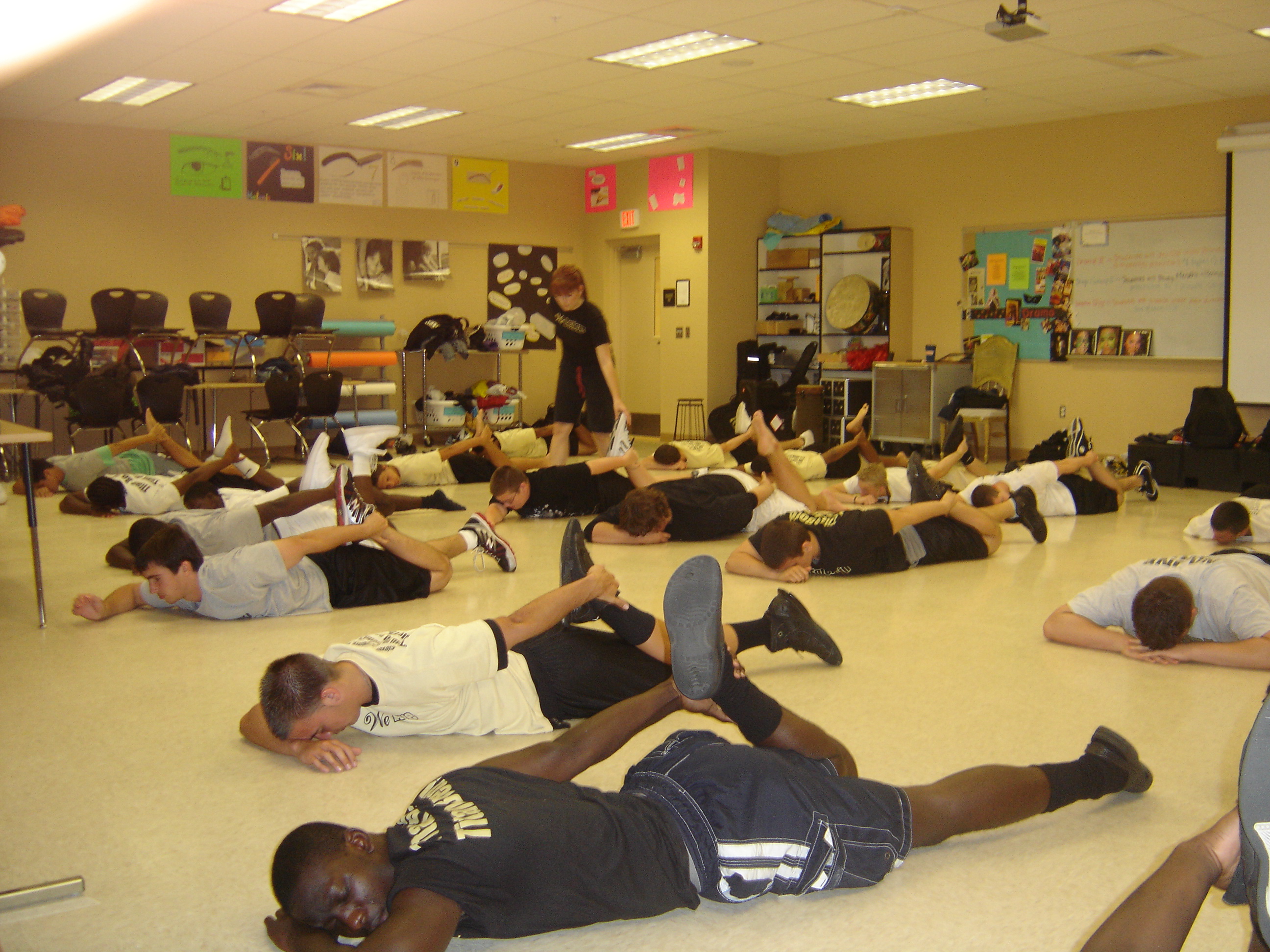
Don’t be shy. It’s for your own mind and body. Join in the movement revolution and I’ll see you at the airport. We can exchange knowing glances as we lay on the airport floor…


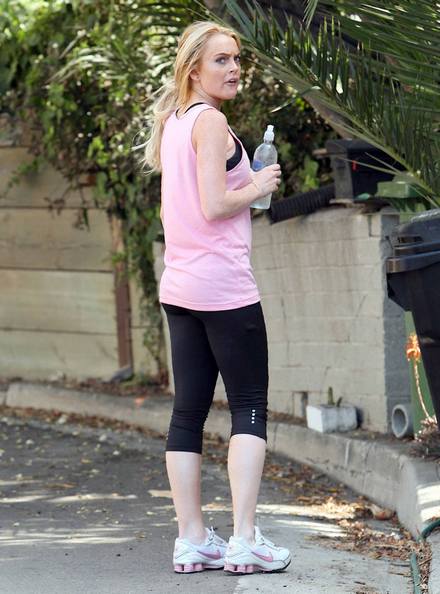
Lindsey Lohan’s Health Is More Important Than Yours

Google you own name and chances are the paparrazi are not following your every misstep out of a nightclub.

Half of you stumble upon this blog by way of seeking out celeb gossip. One Pilates Studio I worked at in West Hollywood always had the latest spread of gossip mags, and most everyone, whether they themselves were celebrities or not, would sit down and read them. It’s fascinating and confounding.

Celebrity – love it or hate it – is inherently part of our human make-up. To aspire to, associate with, and to condemn. Stars summon our most human yearnings: to love, admire, copy and, of course, to gossip and to jeer.

Like Greek gods and goddesses with their individual powers and faults (Joseph Campbell would agree) celebrities are larger than life versions of us…reflections of ourselves in mythic proportions.

Leo Braudy, author of The Frenzy of Renown: Fame and its History, suggests that celebrities are more like Christian calendar saints “Celebrities have their aura—a debased version of charisma” that stems from their all-powerful captivating presence, Braudy says.

Lately the gossip spotlight falls often upon Lindsay Lohan – Patron saint of the rising star, burning out. A beautiful young starlet with the world at her feet only to be brought down by lack of boundaries, dysfunctional family, alcoholism, drugs, relationship problems, financial ups and downs…any of it sound familiar? Sure. It’s a little bit of all of us, just magnified.

Lindsay’s drama is a cautionary tale of the times, one parents can tell to their children, kind of like something from Heinrich Hoffmann’s Struwwelpeter of what happens when there are no limits and one slowly spirals out of control…a good girl gone bad.

I would never suggest to stop reading gossip mags. How could we? Celebrity fascination is part of what makes us human. It’s a mirror into our own humanity.

However, if you find that you’ve been searching the internet for well over an hour to find the latest news on Lindsay Lohan and you ended up here…Take this as your cue from the universe to get up, walk away from your computer, and do something for yourself.

Your health is more important.

The Science of Living a Healthy Life

In case you missed it, The Wellness issue of NY Times Magazine came out last week.

There is, of course, loads of fodder for healthy living; relationships, mental health, exercise, the food critics diet, and even a little interview on the many joint replacements of Jane Fonda.

The article Weighing the Evidence on Exercise promotes the long term metabolic and health affects of exercise, and shuns the assumption exercise will immediately aid weight loss.  Out of this entire wellness magazine, the last sentence in the above article proved most striking.  It is a quote from Associate Professor of Kinesiology at U Mass, Amherst, Barry Braun, and his words speak volumes:

One thing is going to become clear in the coming years, Braun says: if you want to lose weight, you don’t necessarily have to go for a long run. “Just get rid of your chair”.

What does that mean?

Let’s be clear. It doesn’t mean a treadmill desk is going to be the answer to life’s problems.

What it does means is all the little things we do throughout the day add up to make a big difference. It means, keep moving!

“Getting rid of the chair” means balancing our relatively recent technological advances with what the human body is built to do: move.   We have not yet evolved to large brain blobs being fed by tubes and hovering in glass jars, so might as well keep those limbs working.  If we open up to new concepts and ideas regarding balancing our lifestyle choices (changing dated habits in our work, family, home and school schedules) the world will follow suit. Afterall, the world is our playground, not our work station.

Perhaps the new motto for the next decade should be: “Sit Less. Live Longer.”

…Or for those with a darker sensibility in the aging spirit of post punk I like “Sit still and die.”

Your own genius suggestions are highly encouraged.

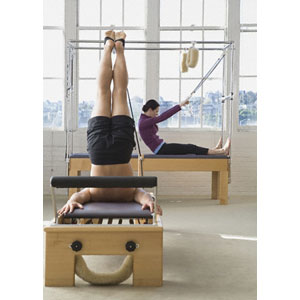
Pilates, guys, and core strength

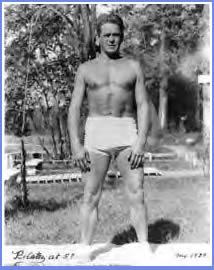
Joseph Pilates was a manly man.

Strutting his stuff well into his 70s, smoking cigars and sporting tighty whities, this former boxer and circus strongman (“living Greek Statue” to be precise) mainly taught his method of exercise to men, until he came to New York and moved his studio into the same building as the NYC Ballet. Once Pilates became associated with dancers, it seems the menfolk started to disappear.

To set the record straight, Pilates is not just for dancers. Joseph Pilates himself called his exercises a corrective method of movement. Many athletic men still complain of a bulging belly and back pain, When properly executed, Pilates exercises improve muscle imbalances, building strong, flexible trunk muscles, backs free of pain, and younger, taller posture in any body.

Here are a few key insights men should know when beginning Pilates or any core strengthening regime:

Strength need not come from strain.

The subtly of Pilates can, at first, be frustrating, and might not jive with traditional notions of a manly workout. Try to leave the power workouts at the door, at least in the beginning. A good Pilates instructor will not allow clients to power through an entire workout without proper muscle control.

The challenge of Pilates is in the details.

Pilates core strength comes from muscle awareness and control. (Joseph Pilates named his exercise method, “Contrology”.) Finding control requires some thoughtful and, often, small movements. These beginning steps shape the more advanced work that comes later. Without awareness of all muscles, both large and small, the benefits attained will be limited. It’s training for the body and mind.

With proper control, even a football player will struggle with 2 pounds weights if they lengthen muscles outward from a strong core, rather than tense up and inward to power through. It’s like the Aesop moral, “better to bend like the reeds than break like the tree trunk”.

Keys to good Pilates: Stretch the spine and draw in the abdominals during all movement.

This is often referred to as “scooping” your abdominals. Lifting the spine upwards and allowing space between the vertebre to corset the trunk muscles inward.

Practicing the Pilates scoop.

Here is an exercise to work on the Pilates scoop from Jillian Hessel:

Sit up as tall as you can, lifting up out of your hips. Place your hands on your lower abdomen with your fingers spread apart. Imagine you have a belt slung low across your hips.Inhale deeply through your nose for 5 counts. Exhale through your mouth for 5 counts, imagining you’re tightening the belt and drawing your hip bones closer together. Your fingers should interlace as you exhale completely.

Your core is a corset of muscles with several layers that wrap around your trunk. Pilates exercises draw this corset tightly inward to support the spine rather than push outward away from the center.

Now do that same scoop as you perform a forearm plank on a fit ball. Hold it for one minute. Stretch the neck long. Keep the shoulders broad. Continue to draw the trunk muscles in as you breathe.

Proper core strength aids in preventing diastase, back pain, belly bulge, neck and should tension, and many other issues.

Find a good instructor and practice the basics regularly to gain insightful muscle control and core understanding to compliment any exercise activities. Then you too can strut around in tighty-whities with your shirt off being the manly man that you are…on second thought…keep that at home.

For more information, check out this Wall Street Journal article discussing the growing popularity and importance of core training.

The Gardener’s Workout

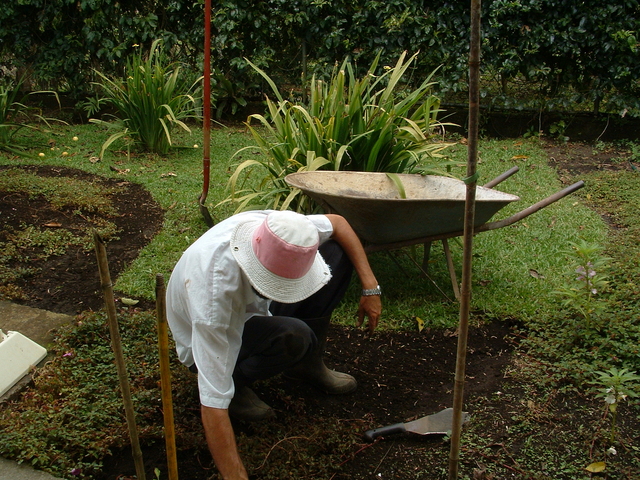
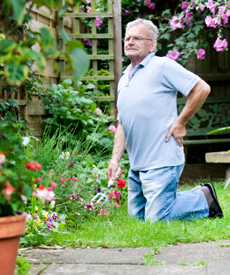
It’s officially Spring…The season of Golf and Gardening backs pains.

Warm rays from the sun bring the need to weed, rake and plant. The one thing my gardening clients have taught me is that pain will not hold them back. The gardening must go on.

When engrossed in an activity like gardening we often lose personal awareness, which is partly why it is so appealing. Nevertheless, by the end of the day we regain that awareness quickly when a stiff back or neck presents itself.
What to do?

Here are a few tips and exercises to keep you in peak gardening condition for as long as possible.

– Use a Timer!

Get the timer out of the kitchen and bring it with you. Every 20 – 30 minutes, stop. Do some stretches. Change position and/or activity. Is it annoying to have to stop and move around? Of course it is, but keep in mind this will save you some aches, pains, and several more years of gardening.

– Mix it up

As mentioned above, change position and activity regularly. Multi-task. Instead of focusing on getting the yard raked in one day, spread it out along with a few other “have tos” over several days. This way your body is not stuck in one position or a repetitive motion for hours on end.

– 7th Inning Stretch. The Mid Gardening Workout

When your timer goes off and your body is craving a stretch. Here are 4 great movement options:

#1. cat and cow/ #2. child’s pose

Cat and Cow / Child's Pose

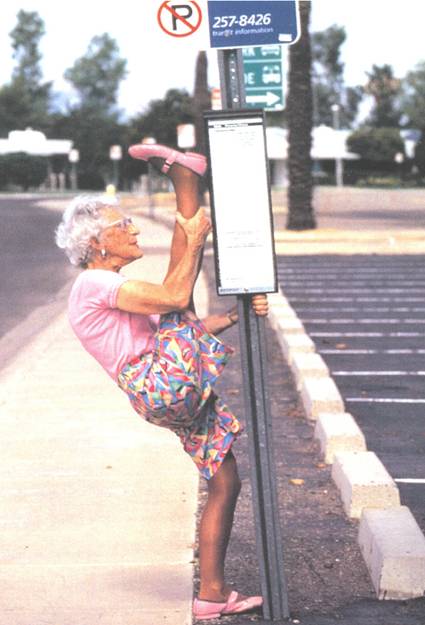
#3. quad stretch

Quad Stretch. Press your hand into the fence or wall for stability.

#4. elbow stretch circles ( from one minute movement)

– Gardening core strength.  The Pre/Post Gardening Workout

Your core is not your just your belly. It is the entire ring of muscles around the trunk and can even include muscles of the thighs and shoulders. 5 to 10 minutes of simple core strengthening exercises done both morning and night might help in preventing back aches.  Here are 6 exercises that will help:

#1. The Spine Extension and #2. The Forearm Plank (from the Easy TV workout)

#3. The Dead Bug Exercise (from Finding Your Fulcrum)

#4. “Clamshells” Side Lying leg movements

Lying on your side, bend the knees and make sure neck and shoulders are comfortable. Keeping feet together lift the top knee. Do not allow the pelvis to rotate backwards, torquing the back. The goals is to move only the leg, keep the pelvis and back stable. 10 to 20 times on each side.
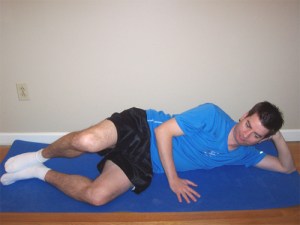
Clamshells. Neck is long and relaxed. Pelvic bones push forward. Back is still. No twisting.

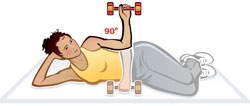
#5. “Chicken Wings” Side Lying External Shoulder rotations

Remain lying on the side. Using a light weight ( no more than 3 lbs.). Keep elbow glued to the side ribs as the forarm rises and falls. Shoulders stay down. Neck stays long. 20 on each side.

Chicken Wings. keep neck long and elbow in side.

Another view

#6. Wall Squats

Are a great way to build gardening strength while working proper knee and hip alignment. With or without a fit ball, Stand with feet shoulder width apart. Keep knees in line with toes as you bend downward. It is safest not to go past a 90 degree angle. Keep the tailbone reaching down to earth and the belly button scooped upwards towards the back of the ribs. Try 10 squats.
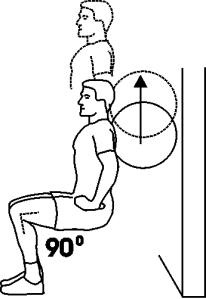
Wall Squat

Consider a back brace or corset support while gardening

It might not cure your back problems, but a brace or core support will remind you to stay aware of proper back placement when leaning over or squatting outside. It will help you be aware of your back.

– If all else fails, ask for help!


Get some help already!  I know you love to do it yourself, but it’s not worth the pain and perhaps ultimately having to cut gardening out all together. Plan, design, organize and get some minions at your disposal.

– More Information

A great website with wonderful ergonomic tools and ideas is offered through the University of Missouri Columbia, called Gardens for Every Body.

Happy Gardening!

Celebrating Spring, Movement, and Fashion

Spring fever is in the air in Vanessa Bruno’s 2010 Spring Collection video.  It’s a frolicking romantic piece, swelling with lightness that’s oh so French.

Featuring Jane Birkin’s daughter, Lou, whose character in the video celebrates not just the movement of the gorgeous clothes she wears, but the beauty of movement in general, as Spring awakens with new life. It makes me want to stomp in chalk and roll down hills in big dresses.

Here’s to Spring, the French, dreamy fashion, and the beauty of movement!

Making Movement a Habit

Regular exercise is the only well-established fountain of youth, and it’s free. What, I’d like to know, will persuade the majority of Americans who remain sedentary to get off their duffs and give their bodies the workout they deserve? – Jane E Brody NY TIMES

The exacerbation in the writer’s voice in the article: “Even More Reasons to Get a Move On” is palatable. It is the frustration and dilema American’s face everyday.

This article is clear and concise. Exercise offers big benefits and little concerns. It’s a win win, but how to get people to do it?

If I had a nickel for every time I tried to get a client to do a few minutes of exercise a day…

In the same breath, I understand how hard it can be to stop and take time to do something for yourself.

It becomes less about the activity and more about learning how to create a new habit.

So, how DO you create a new habit?

Psyblog has a nice article about the science behind forming habits.

Most of the habit forming suggestions come down to:  1. defining exactly what the habit is, 2. list the benefits the new habit will bring to your life, 3. list the negatives if you don’t create the new habit,  and 4. remove roadblocks to new habit 5.commit to 3 weeks of new said habit.

This is a relative battle between each person and their habit. I think there is much more involved to truly make fitness habitual.  Some people do it in 21 days, others might take 100. Remember, we are talking habits, not temporary changes.

Here are 2 additional tips that will help make any fitness habit more successful:

6. Start small. If you could do 10 minutes to 20 minutes of exercise every morning – the time it takes for the coffee to brew – you could see and feel significant changes in your health and well-being over the course of one year.

7. Make sure it’s something you enjoy. I cannot stress this enough. If it feels like exercise, then it most likely won’t last. Listen to your gut and find that activity that will boost your heart rate and energy. Enjoying your new habit doesn’t mean it is always easy to get there everyday, but it must be something that once you are there and in the moment, you feel good.

Hold Your Guts Up – The Elusive Pelvic Floor

Hey. Guys have them too. Don’t think this is just a woman thing….

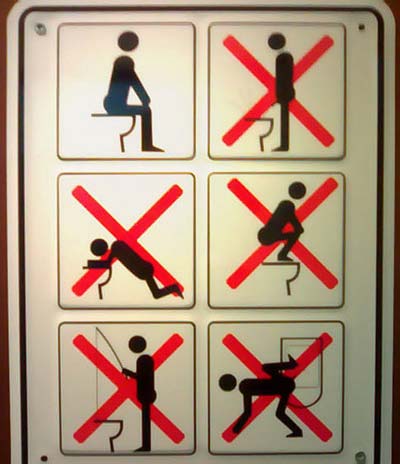
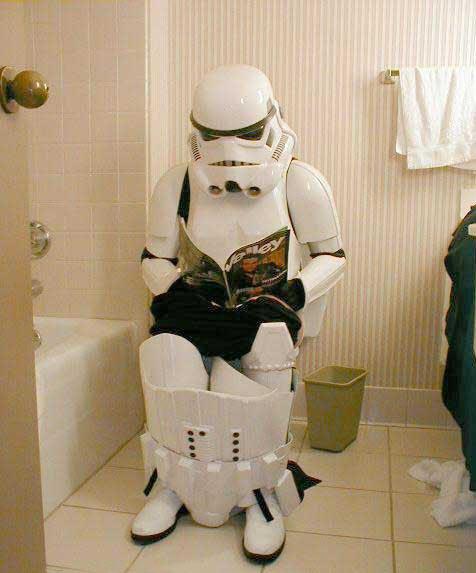
I’m heading into dark waters. Big Sigh. The Pelvic Floor. It almost sounds like a mythological made up place in the body. Unfortunately, it’s very real, and effects two of our most immediately important bodily functions – sex and urination – which is probably why it’s isn’t more openly discussed.

Most women have heard of these muscles, and perhaps the name of a popular method to strengthen them, kegel exercises. Although not discussed much in the gym, men need pelvic floor strength too. If you are unaware of these muscles, it often goes hand in hand with lack of proper abdominal strength and back support. A weak pelvic floor lends to a weak golf game. Your pelvic muscles are the floor of your torso. They hold your guts up, so to speak. The pelvic floor muscles contract in tandem with the deep spinal support muscles, creating a girdle of support – a diaper of strength, if you will. Down and dirty we are going to try and find these muscles. When they are contracted there is often no visual engagement seen externally.

Stop the flow


The easiest way to find the pelvic floor muscles is stopping the stream of urination.  If you can do it, then you’ve found them. Congrats. Don’t do this all the time however; constantly stopping the urinary flow when going to the bathroom, and not emptying the bladder entirely can lead to urinary tract infections. This is a good method to first find the muscles.

Simple pelvic floor exercise

We are trying to contract like the blue image on the RIGHT!

Here is a good way to work the pelvic floor muscles, sans the bathroom. Find your sit bones. These are the two bony protrusions located at the base of your pelvis. You can feel them underneath your backside as you sit down.  Imagine drawing those two bones together, towards each other, without tensing the backside or leg muscles. Picture the two sit bones becoming magnetically attracted to each other, and feel them pulling towards your center. Draw them together for a few seconds and then release. Try again. It helps to do this sitting upright on a stability ball. If the ball moves a lot or your legs and backside tense, lifting you up from the ball, know that these are the wrong muscles. When contracting the pelvic floor there is very little, if any, movement from the ball.

Another way to imagine triggering the pelvic floor and the transverse abdominals while sitting is to imagine zipping up the last bit of zipper on a pair of pants that are too tight.

Elevator Exercise (From Mayo Clinic)

Visualize an elevator. Slow down the exercises, gradually contracting and releasing your pelvic floor muscles one at a time. As you contract, visualize an elevator traveling up four floors. At each floor, contract your muscles a little more until you reach maximum contraction at the fourth floor. Hold the contraction and then slowly release the tension as you visualize the elevator returning to the ground floor. Repeat 10 times.

Crazy gizmos

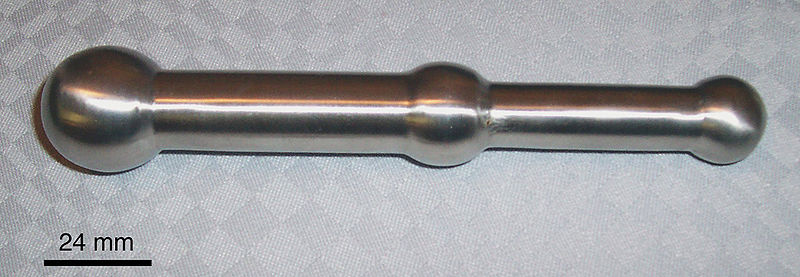
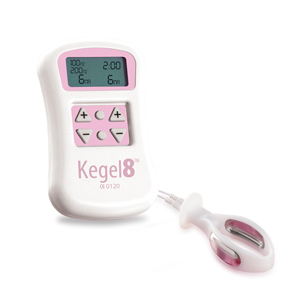
uh...Kegel 8 plus 2.

There are lots of instruments and mini machines to help you find the pelvic floor. Some more invasive than others, but all will help get the job done.

Super Kegel Exerciser

An easy way to recreate the above exercise for both men and women is to take a tennis ball and hold it in the same place as above.  Squeeze just below the gluts with the back of the inner thighs. The place where you would hold the ball almost feels like it’s about to pop out. Contract and release the back of the thigh muscles and pelvic floor around the tennis ball.

Pilates

In Pilates we call the above exercise “wrapping into the back of the inner thighs”. It’s an important fundamental movement that will not only strengthen the pelvic floor, but the deep abdominals and the inner thighs, creating a leaner, longer posture.

See the squeezing of the back of his inner thighs

No matter how you go about it, strengthening the pelvic floor takes time, patience and practice, but the practice can happen anywhere. No gym clothes required. Go ahead. Try a few right now. Better love life and deeper belly laughs without fear of having to cross your legs await you.

How Japan Stays Fit – Radio Taiso

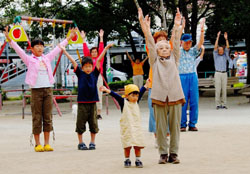
Every morning in Japan, before heading off to school, sparse piano music would tinkle lightly from the radio coupled with an incongruent bold voice counting: “Ich! Ni! San! Shi!” It was odd. An old world sound that eventually would prove quite comforting,  as though this program had existed for over fifty years.  It had. This is Radio Taiso, the 6:30am morning radio exercises in Japan. Radio Taiso is an integral, if not widely known, part of Japanese culture.

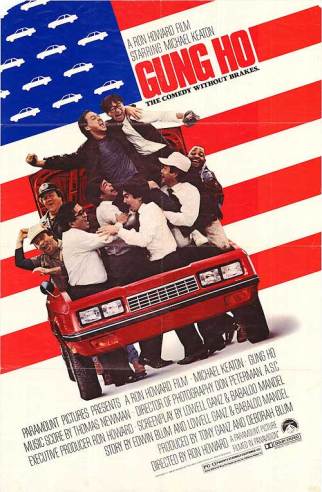
The first pop-culture American descripton of Radio Taiso that comes to mind is the 1986 Michael Keaton movie “Gung Ho”, which really is just wrong. The title “Gung Ho” is a Chinese derived phrase, yet the movie premise centers on culture clashes between Japanese and Americans at an auto plant.  This aside, at one point in the movie we witness automaker employees doing the morning exercises together. The American employees get freaked, as they would of course, by this large group fitness act.

Funny thing is, just like the automobile industry, the morning radio exercises started in the United States. Exercises on Japan’s NHK radio go as far back as 1928, but the idea for these exercises came to Japan by way of America, specifically from the American health insurance industry.  In the 1920’s Met Life in would sponsor 15 minute exercise radio broadcasts in major cities throughout the country, helping people stay fit. As is historically fitting, Japan took the idea and made it work really well,  helping lengthen their population’s lifespan, from age 40 in the 1920’s to 80 today. In fact, Japan has the highest population of seniors in the world.

During World War II and the Allies occupation, Radio Taiso was banned for seeming too militaristic, with large groups gathering to exercise together in unison. In the 1950’s they reemerged, and are still going strong to this day.  Children go to the local park in the summer, office workers gather together outside the office with loud speakers, and the older populations will turn on the radio and go along as they have for decades, starting their day with these routine exercises, to help build strength, work ethic, and unity within the community.

There are two sets of exercises, the second being geared more towards young people. The simple calisthenics promote increased energy, circulation, and improved flexibility. Go ahead and give it a try…

I’m gonna take the leap – going “ganbatte” vs. going “gung ho” – and suggest the United States take back Radio Taiso and broadcast a national morning exercise program, helping to build health, well being,  and community….just change the music, please.  Maybe a radio taiso mash up with special guest djs? It’d be like a new electric slide for fitness. Ok. I might have leapt too far…

がんばって!!!