What it means to scoop the abdominals

Wrong kind of scoop

You are in a Pilates class and the instructor says. “scoop your belly!”, do you:

A. Think, “What the heck does that mean?! I can’t scoop anything.

B. Suck in your gut, and hold your breath.

C. Give up on this weird Pilates stuff and take kickboxing next week instead.

This “scoop” is not only an essential part of traditional Pilates, but a fundamental muscular awareness for all types of sports and activities, including sitting at your desk.

To scoop the abdominals one must engage their transverse abdominal muscle, often referred to by movement therapists as the TVA. This is the deepest abdominal muscle. When engaged the TVA muscle contracts like a corset around the waist. It supports the pelvis and spine creating the “pulled-in” look.

The Transverse is like a corset, pulling the waist in

Too often I meet people who exercise, but still complain of belly bulge and back pain. While chasing the perfect “6-pack”, we focus on building the top abdominal layer – the rectus abdominal muscle. Although feeling the burn of this outer layer of muscle, if you are unable to engage deeper muscle support the back moves unsupported, and the belly pushes out…and you are actually a few steps further from a 6-pack, than when you started.

A 6-pack cannot exist on one muscle alone, it takes the whole body. The TVA  is just one of many muscles that makes up the core, however it is the muscle that creates the scoop.

Here are a few suggestions to help you master your scoop:

Belly in/Belly Out Quadruped
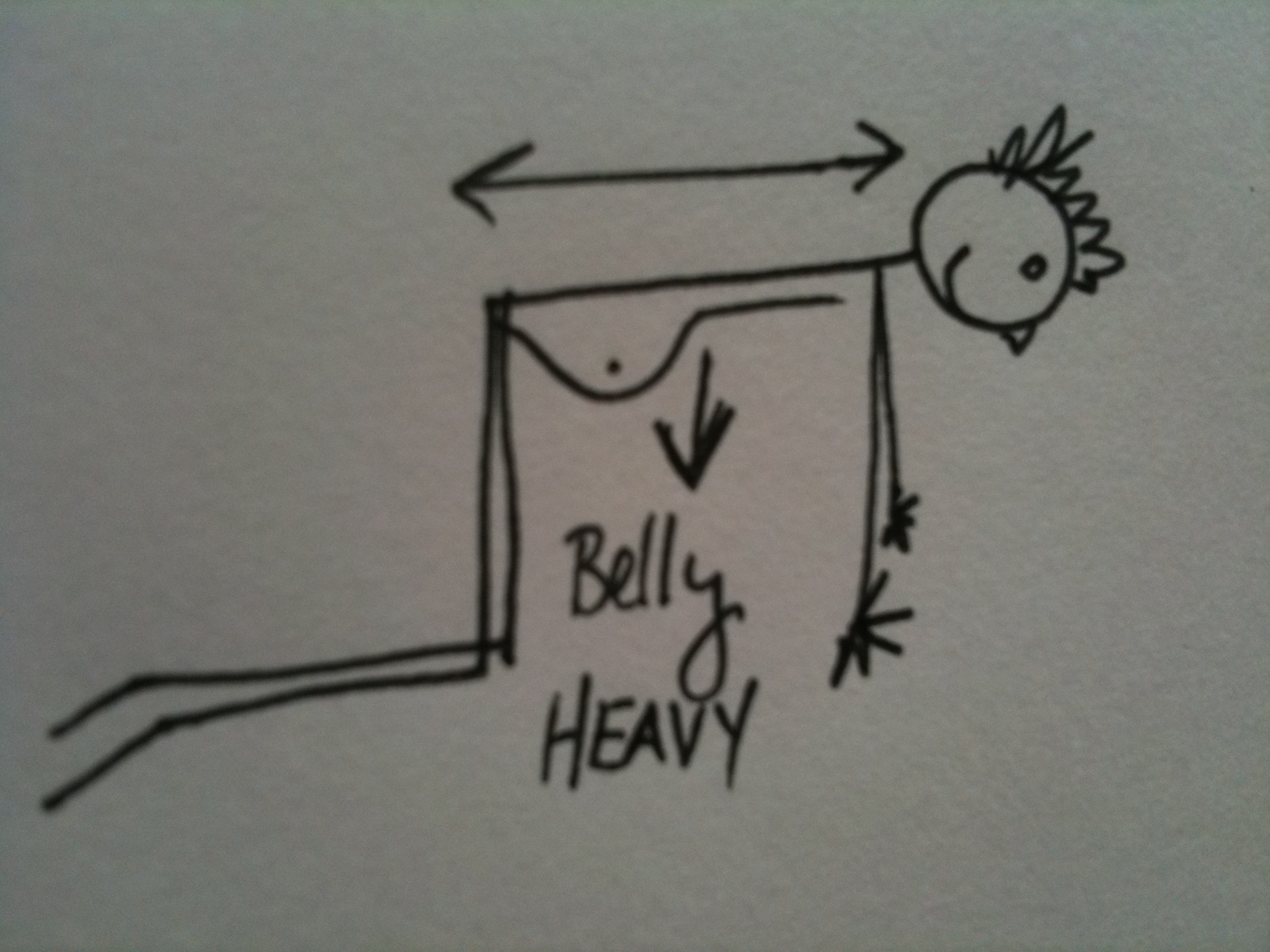
Step 1. Allow belly and organs to drape towards the floor. Keep the spine straight and still. No arching

Step 2. Draw the belly and organs in and up towards the spine. Again, don't move the spine. It remains planked.

On all fours (if it bothers your wrist, a forearm position is fine) Plank the spine. Do not allow the back to sag or round. Holding this table position, allow the belly muscles to relax towards the floor. AGAIN,  no spine movement, only the belly. Exhale and draw the belly muscles in and up towards the chest – like you are scooping your guts up and into the back of the ribcage. Hold this scoop for 3 breaths and then allow the belly to release down towards the floor again, maintaining a flat spine. Try this 5 – 10 times.

Leg extension Quadruped for Core
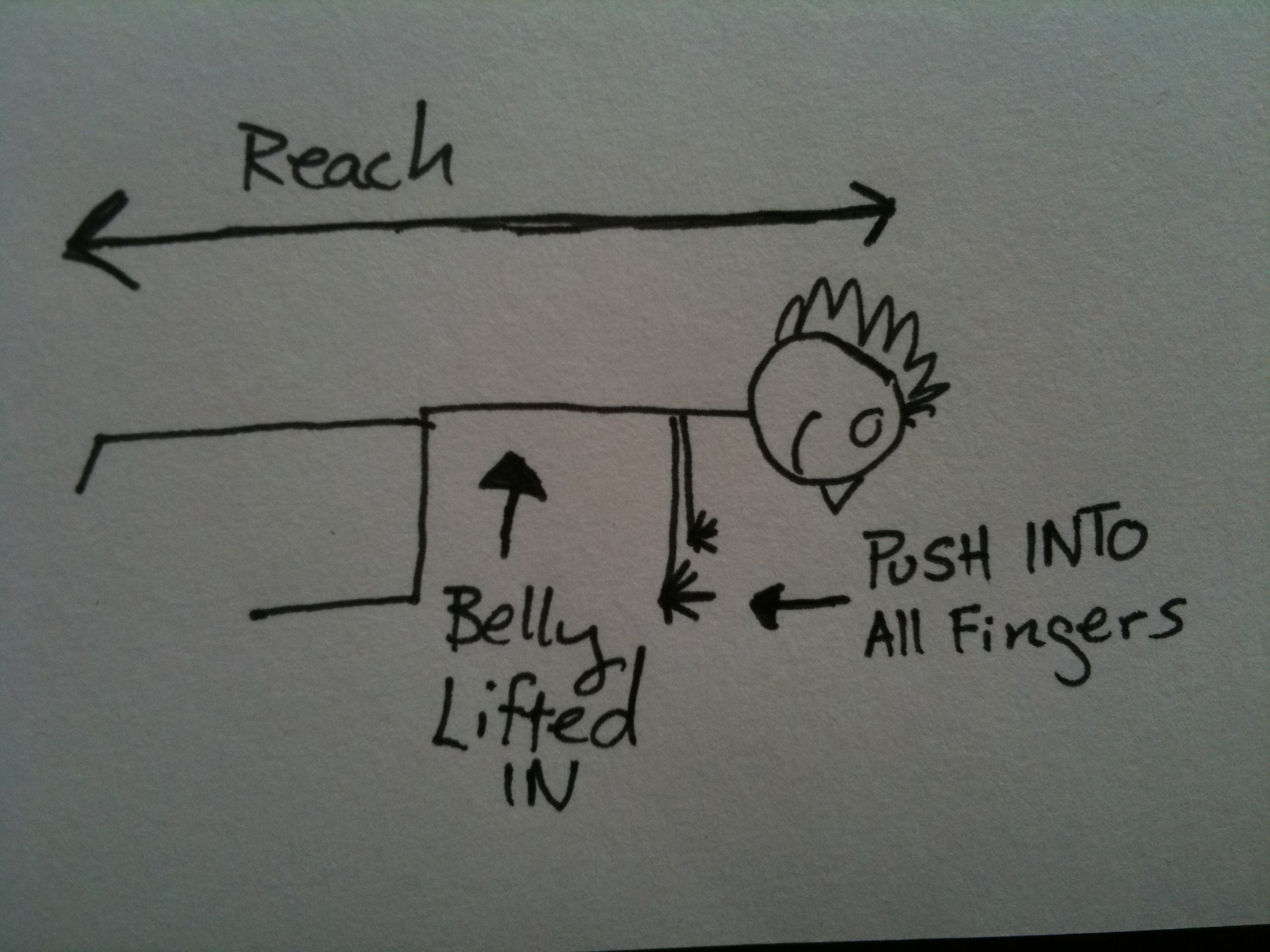
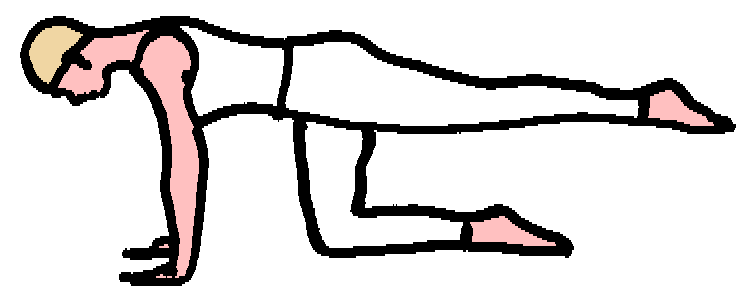
Add a leg extension for a more difficult core challenge

Once you feel the scoop,  try maintaining it while sliding one leg back and stretching it out. Hold this position for three breaths, while keeping the spine planked (no sagging back). Hold 5-10 seconds. Switch legs. Press into all the finger joints to help lift out of the wrists. Can also be done on fists or the forarms. Try doing 5 sets.

Deep belly sitting
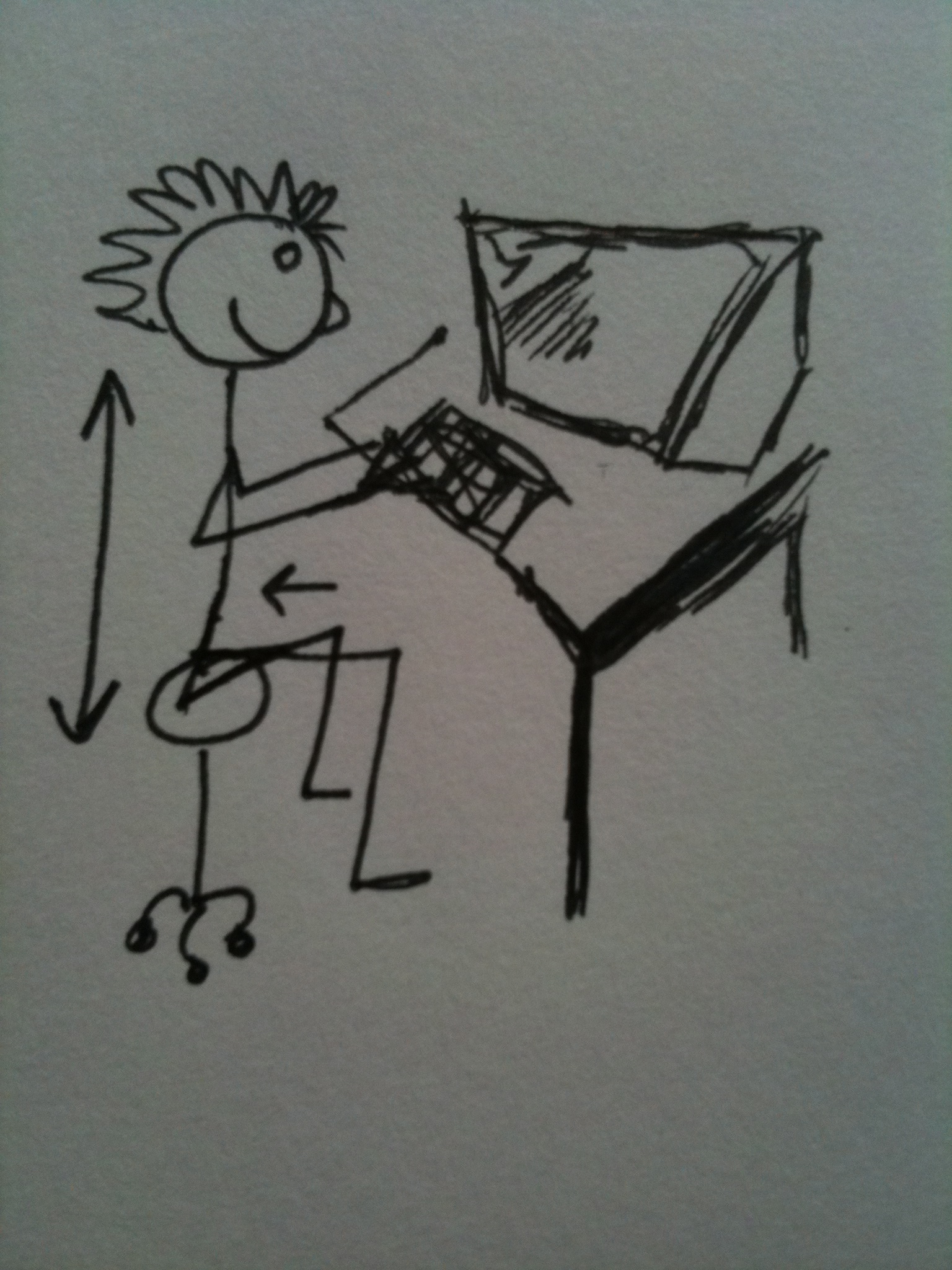
Practice scooping while sitting at your desk

This one can be done sitting at home, at your desk, or at the opera. No one will know you are working out, but they might comment on your good posture.

Sit up tall, and imagine vacuuming in the abdominal wall. Hold while taking 3 gentle breaths. Release.

The vacuuming feeling is akin to a pair of tight pants as you pull up the last bit of the tight zipper. That is your TVA. Another image is if someone were to give you an upper cut to the belly button, punching in and hooking up…not a pleasant thought, but it works.

Scooping pulls in and up - like an upper cut to the belly. ewww

You never want to overwork just one muscle. It takes a coordinated effort from all muscles to keep the body balanced and strong. There is some debate over what the TVA does and how important it is to work. No matter, the awareness of the muscle is extremely valuable to a better understanding of yourself and how you move.

Practice!
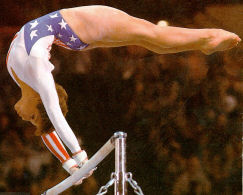
Gymnasts or Ninjas? Embrace Your inner Monkey

I believe it safe to assume the sentence – Gymnastics are cool. – is not frequently used in popular cultural vernacular.  Ninjas, on the other hand, are way cool and are often noted as such.

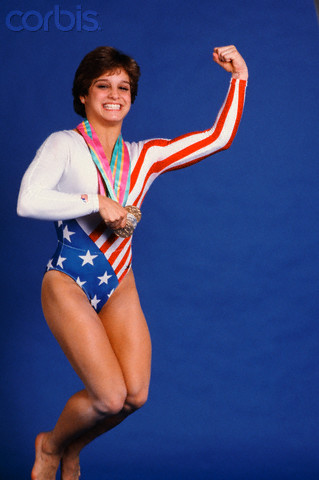
There’s not a lot of difference between the aptitude of Mary Lou Retton and Hattori Hanzo…except one uses skills to slay gold medals, while the other slays their mortal enemies in revenge plots….otherwise, they are basically the same.

While not using the word “gymnastics” per se, let’s explore people who are doing fancy tricks with their bodies that look like fun and make us all want to become ninjas…or just physically cooler in general.

BARTENDAZ

Bartendaz is a physical fitness program started in New York, consisting of calisthenics, military drills and martial arts. Using only body weight to challenge themselves, it’s a cost effective and creative way to get ripped.

NINJA WARRIORS

A Japanese television show called Sasuke, which airs in the states on G4. It’s a crazy obstacle course, that becomes progressively more and more challenging. To date, only 3 people have completed the course. Some competitors train year round for the event, creating their own obstacle courses at home. Could it be a new kind of obstacle course sport has been created?

http://www.youtube.com/watch?v=QAxsFgFY0lM&feature=related

PARKOUR

Parkour is considered a movement and life philosophy, although it is mainly known for people who jump from building to building. Parkours traverse both urban and rural landscapes as quickly and efficiently as possible.  This underground French movement was made famous by the movie District 13. It is now being used by the French Military in training.

URBAN NINJAS

An evolution of Parkour

AERIALIST

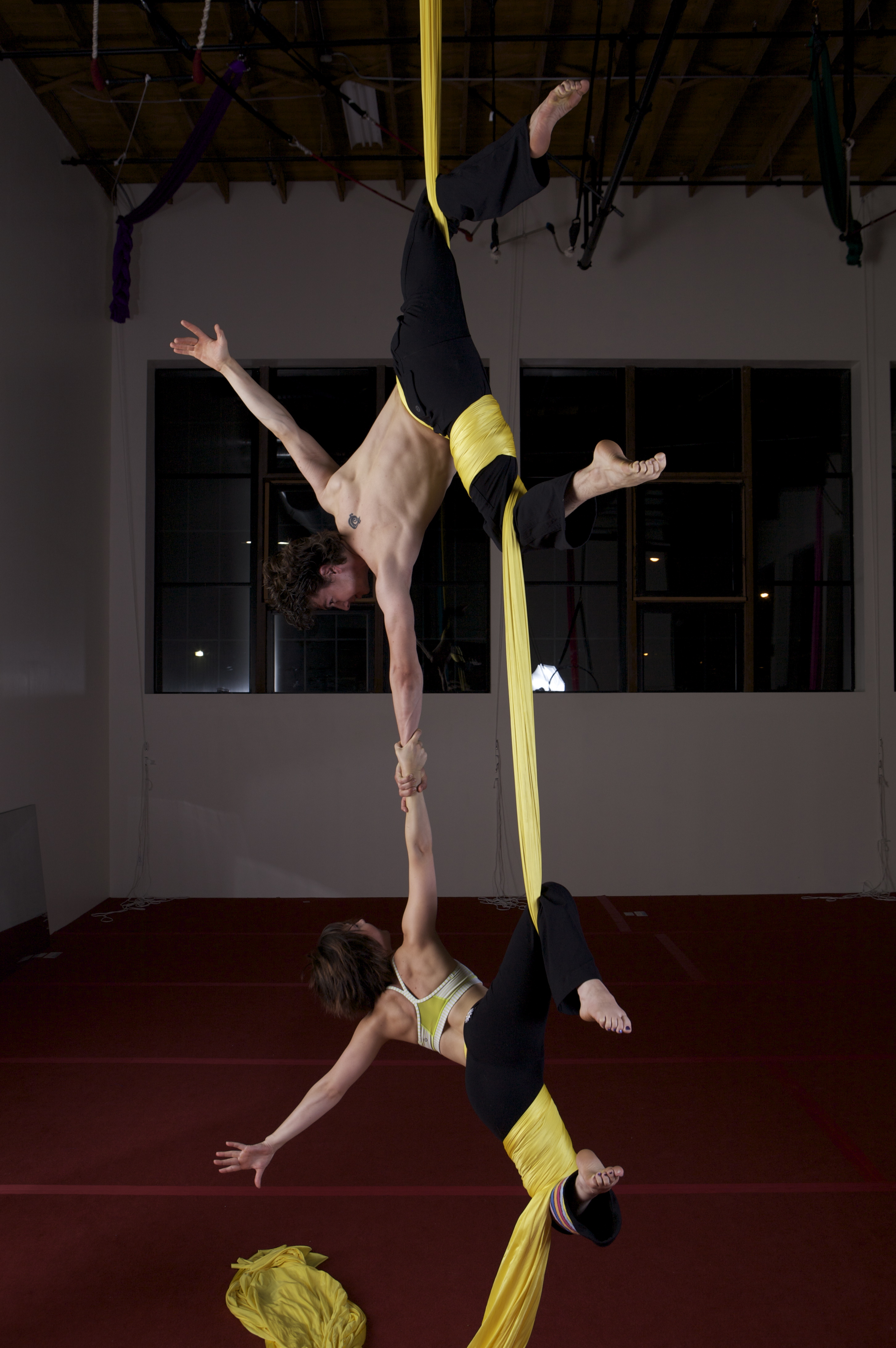
Although you don’t hear of as many girl Ninjas, they are out there…perhaps they are just more stealthy. Aerialists showcase amazing strength with only their body weight and something to hang from.

Ready to start taking those gymnastics classes? Kidding aside, to attain a modicum of the above mind/body skills requires just you – your body weight, and a creative mind. The possibilities are endless.

Something for everyone…to buy

From mom-on-the-go to indie rocker…don’t worry! As long as you can be stereotyped into a marketable corner, there will always be someone out there willing to sell you more of that boxed persona.

Being slow on the uptake, a word of advice to the fitness industry: Don’t name your next video the “hipster” workout…it’s not a nice word. Although I am waiting for the emo workout where you stand and sway for 45 minutes while making painfully thoughtful facial expressions.

I hate to exercise. Now what…

Look. You get it…you are supposed to do something more than move between desk and couch. But “exercise” isn’t fun…at least in your opinion.  You can continue sporadically riding the treadmill to nowhere, but maybe the time has come to try another approach. It’s actually possible to sneak fitness in like vegetables into a kid’s dinner…just hide it really well.

Here are your general options:

#1. Go standard: Do the gym

Ho-hum. Exercise and health, blah blah blah. Who hasn’t tried this? We sign up for a gym membership in a moment of inspiration, usually in January and then it languishes into one extra payment on the ol’ checking account. Some people thrive on routine. If you can psyche yourself into being accountable at the gym 3 -4 days a week, for 2 or 3 weeks, then this might be the option for you. Gyms offer convenience for fitness and a great fall back when all else fails, but little else that can often be exciting.

#2. Go Group: Join the team…or start your own.

Maybe you need a team effort to get moving. Lots of local sporting leagues exist: softball, basketball, bowling, kickball, dodgeball, you name it. Join in. Finding a buddy to join could make the move easier. No groups you like? Start your own action adventure team.

#3. Go to school: Please grade my fitness

Maybe teams aren’t you thing, but personal exploration and trying new things are. Sign up for a class.  Try something totally new. All kinds of sports, movement arts and activities are offered through local colleges. Community, state and/or private universities usually have offerings for the public. Since collegiate classes go in semesters, it is a doable committment for those of us who get bored. This option keeps your brain supple too.

#4. Go Big:  Spend a lot and do as little as possible

Invest in the most expensive home gym out there that touts the fastest way to perfect fitness…4 minutes a day. Afterall, if you pay $14,615.00, it must really work. Although, who we kidding, eventually it will languish in the basement and become the worlds most expensive laundry drying rack…ever.

#5. Go Bizarre: Extracurricular odyssey

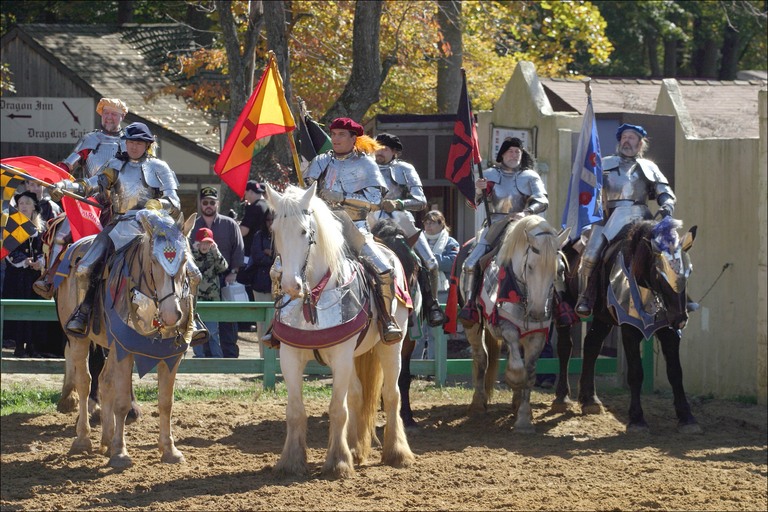
If you are like me, you need to be entertained. A stationary bike sounds worse than the dentist. Maybe it’s time to give up the Dungeons and Dragons game in the back room of the comic book shop and take up jousting outdoors instead. There are an endless array of activities that classify as fitness. Gym is not required and creativity is by all means allowed. Possibilities are endless!

Find something that inspires you. Even if it’s a dvd or book, a self created 10 minute workout at home, reading my blog for fabulous ideas…whatever. Try to do a little more. I’m still working on the ultimate ab pulverizing couch and desk workout.  I’ll let you know when it comes out.

Four exercises in under 10 minutes to firm your core

How fit is your center?

It’s not about how many crunches you can do. Did you know if you overwork your abs, you could end up with back pain and no flatter a front? Your center is not just the muscles you look down at and sigh, but your whole trunk: front, back, sides, top and bottom. A fine balance in all of these muscles is necessary for a strong core.

Here’s a simple test to determine how you measure up:  Hold a forearm plank as long as you can. 1 minute is good. 2 minutes is excellent. Less than 1 minute? We have some work to do.

During the above test, really pay attention to what you are feeling. These feelings speak volumes about what and where you are weak, strong, tense, etc.

Do you feel your low back? Then your abdominals and deeper core muscles are not lifting to support your trunk and they need to be strengthened.

Do you feel your neck tension or elbow pressure? Then you upper core muscles, like the lattisimus dorsi,  (ie the muscles that push your armpits down towards your hips) need to be strengthened.

What’s your body telling you? Different pains and strains mean different muscles are out of balance. Tuning into your body and developing the awareness of what is being felt is the first big step to finding core balance and strength.

To build overall trunk strength, try this simple core challenge.

Performing these exercises at least 5 days a week. It should take less than 10 minutes. Even after a few weeks, you will feel the difference:

#1. THE FOREARM PLANK

Up to 2 minutes. Pinch glut muscle together. Lift abdominals up towards the spine. Keep your neck long (front and back), and maintain an open chest, with the collar bones trying to peek out.  Balance forearms on a stability ball to mix up the challenge. Starting on the knees is a-ok!

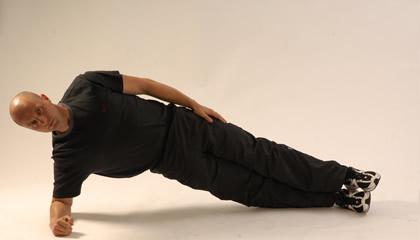
#2. SIDE FOREARM PLANK:

1 minute each side. Keep hips lifted. Belly pulled in (tighten the waist muscles all around like a corset), and chest stretched open.

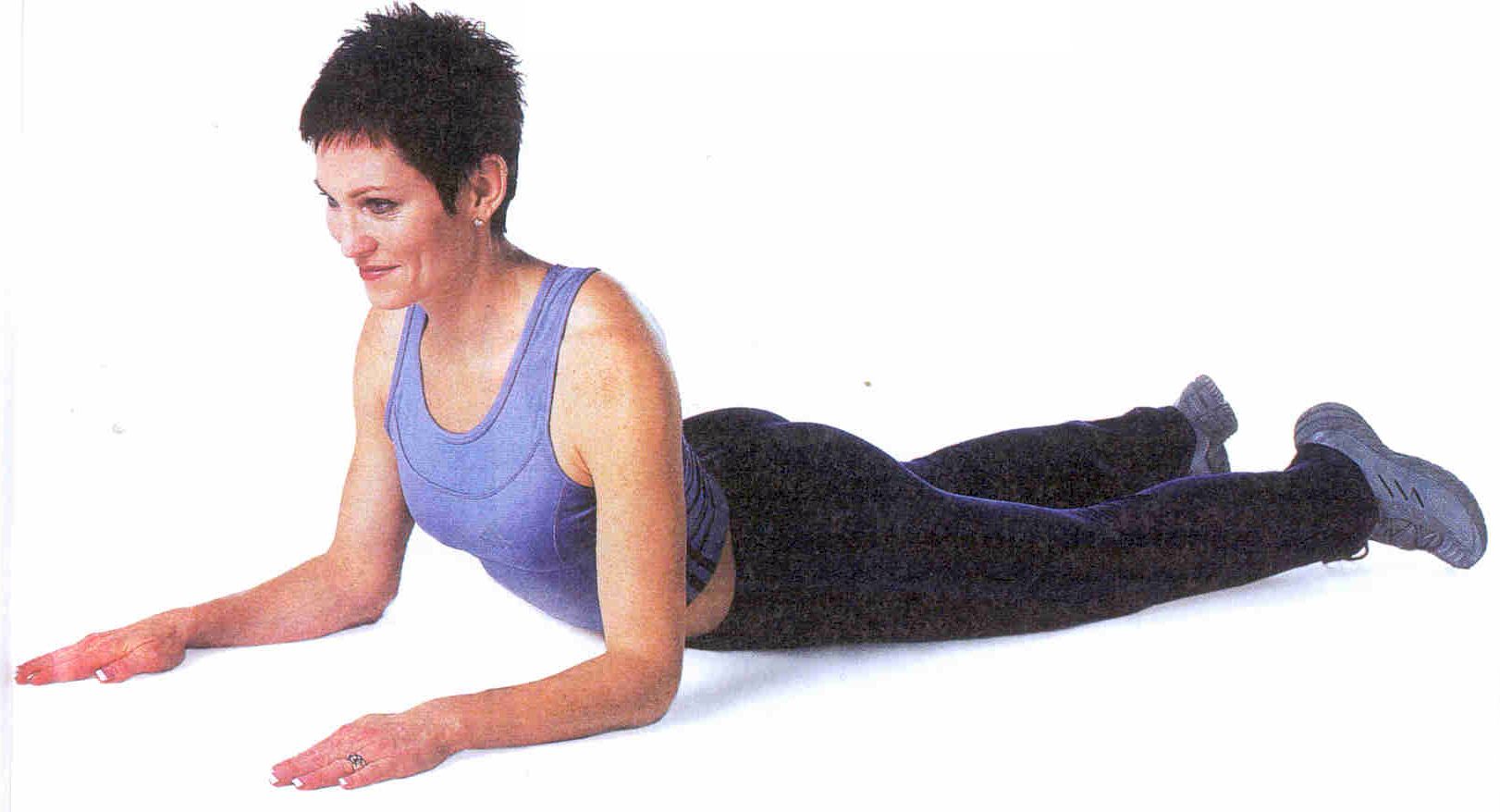
#3. BACK EXTENSIONS: Keeping hips and top of thighs on the floor. Hands under armpits. Press into palms and lengthen chest and back up and out, away from legs. No pinching in the low back  nor strain in the neck allowed. If you feel this, angle your arch less.

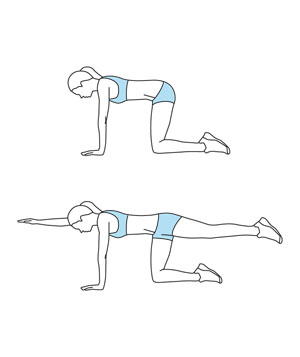
#4. BIRD DOG:

On hands and knees, scoop the abdominals up and in towards the spine. (Think of putting on a tight pair of pants, trying to get the last bit of zipper up).  Extend the opposite arm and leg away from the contracted center.  If both arm and leg together is too hard to balance, start with extending just the legs. Hold the extended position for 10 seconds then switch sides. 5 -10 sets.

That’s it. Start simple and slow. 4 exercises. Less than 10 minutes a day. 5 days a week.  It will make a noticeable  difference within a few weeks, and who knows…maybe those 10 minutes will inspire you to add more activity throughout the day. Good luck!


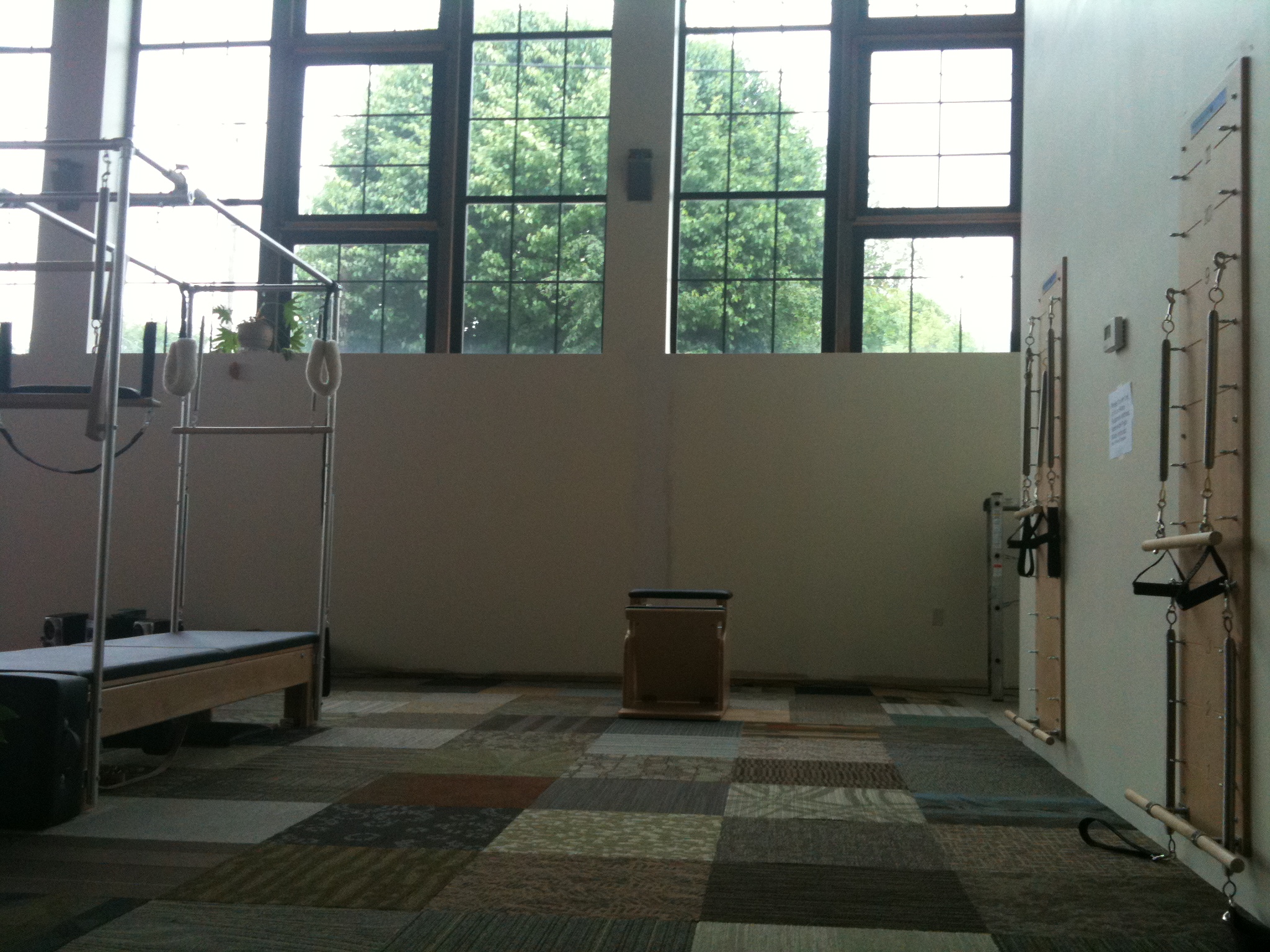
New Pilates Classes/Core Conditioning in St Louis

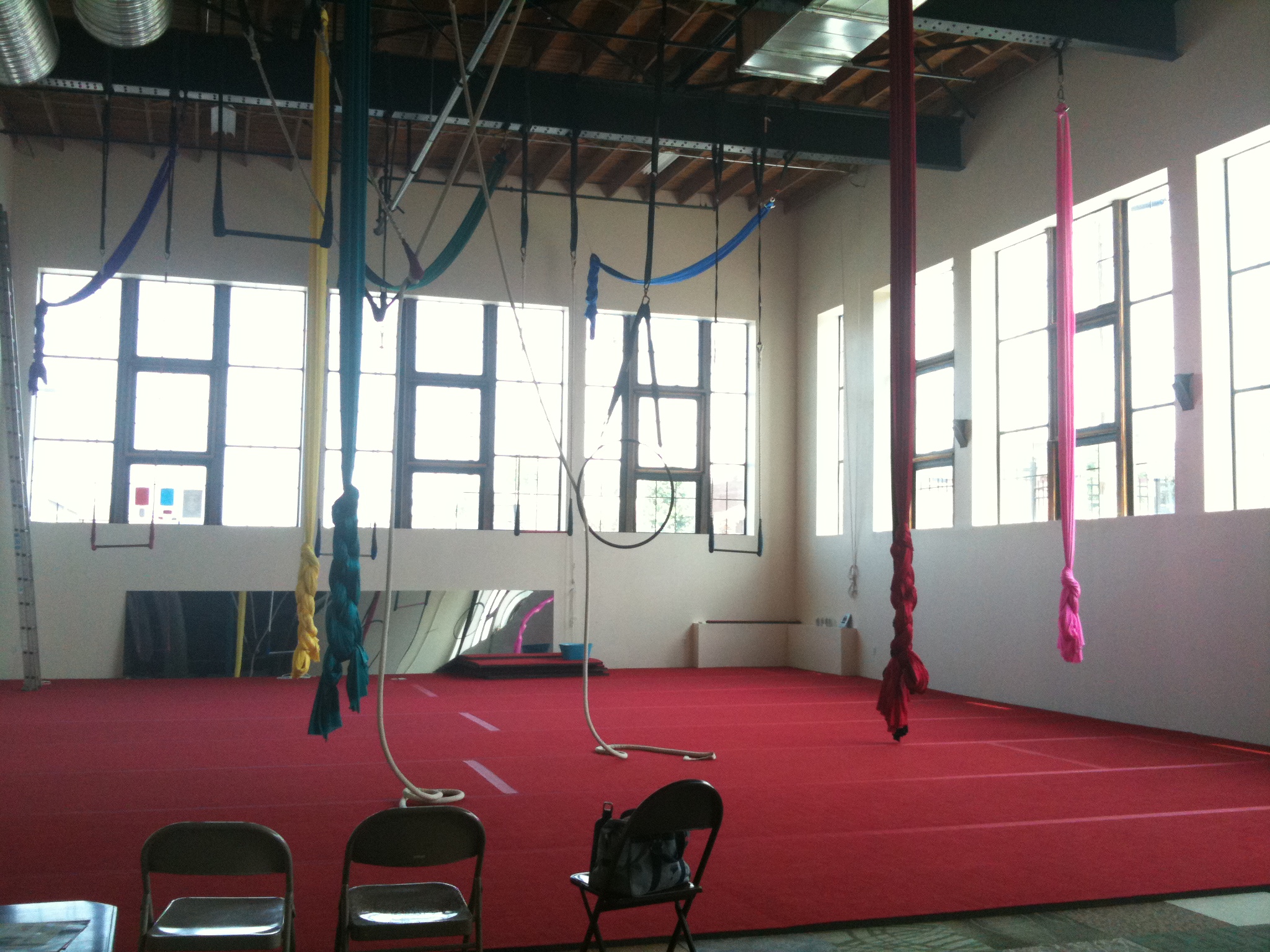
Bumbershoot Aerial Arts (2200 Gravois Avenue, 63104) is an aerial and circus arts school close to downtown St. Louis where people can discover their inner monkey. There are few places like it.

Core conditioning and awareness of movement are important building blocks to gaining strength and staying safe in the air. It’s one thing to climb a rope, and another to know how you got there.

To aid in your circus skills, or to just gain strength for everyday life on the ground, Pilates mat classes, private training on Pilates equipment, and aerial conditioning classes are now offered at Bumbershoot.

It’s the only classical Pilates classes near downtown and the only colorful studio space like it around!

Bumbershoot Pilates Classes – Fall 2010

INTERMEDIATE PILATES MAT Tuesdays  and Thursdays  at 6pm

A faster paced, classical Pilates mat class, with emphasis on flowing movements outward from a strong core.  Advanced exercises are explored. Previous Pilates experience or instructor approval required. Knowledge of proper modification for your body is required. 55 minutes

BEGINNER MAT Saturdays 10 am

Kick off your Saturday morning with a stronger core! This Pilates mat class is open to all and focuses on fundamentals and beginner classical mat. Learn how to simultaneously stretch and strengthen your muscles. Gardening, sports, and even trapeze become much easier with a stronger center. 55 minutes

Joseph Pilates partaking in fitness fun

Private and small group instruction by appointment. For information on these classes and instructor Stephanie Ellison, please click on the classes and instruction page here.


Presidential Fitness – Claim your Award

TO BE FIT

Ah, the joys of doing the presidential fitness test in junior high. As if we all weren’t awkward enough, mix in memories of bad P.E. classes and…well, not a lot springs to mind because I blocked them out. I do remember the mottled red t-shirt and ill-fitting, infinitely uncomfortable polyester shorts.

Looking back, it’s such a wonder why the education system can’t make physical education more adventurous and pertinent. Light anatomy, injury prevention and creative exploration of personal activity goals, could help stave off the obesity epidemic and stress levels, in part.  But this is a topic for another day. I digress.

While you don’t have to don the old itchy shorts, you can redeem your junior high years by taking the presidential ADULT fitness test. Yes, this test does keep following you. At least you don’t have to perform it in front of the school jocks. Trying this with a friend could make for a fun-filled hour of laughter… at each other. The test is filled with oldies but goodies observing general flexibility, endurance, strength, and aerobic fitness. Here it is, in brief:

  • Timed 1 mile walk
  • How many push ups can you do in 1 minute?
  • How many half sit ups (or chest curls) can you do in 1 minute?
  • Sit and Reach: Sitting on the floor, legs stretched out, belly scooped in, how far can you slide your hands along the floor?

Big fun, right? Sometimes, we have to start somewhere, and this isn’t a bad place to begin. Again, a partner in crime makes this more palatable and fun-ny.

I know. What you really want is an award – specifically from the President that says, “You made it. Go you!” Your prayers have been answered. The President is offering a Presidential Active Lifestyle Award, or PALA, for those of us who can’t live without acronyms.

The program has promise. It’s a simple, realistic, attainable goal – 30 minutes of activity, 5 days a week, for 6 out of 8 weeks. Done. Award please. It doesn’t have to be 30 consecutive minutes. Spread it out throughout the day. Taking the stairs at work, counts. Walking the distance of the parking lot, counts. Every little bit adds up.

Did I mention the award looks pretty official? You could place it on the mantel next to your child’s, or your own childhood, trophies.

You can even up the ante with the Presidential Champions Challenge, building on more activity to earn points towards supremely awesome medals: 40,000 points for bronze, 90,000 for silver, 160,000 for gold, and a whopping 1 million for platinum. I’d be sure to wear it around my neck at all times, if I were you.

Once moderate movement sets in, don’t be surprised at how steadily you feel better. It doesn’t take much and it works! I move to become adults in revolt, in the name of reclaiming our presidential fitness award. If you complete it, send me your photo with your award and we will post them. Just remember, 30 minutes of activity, 5 days a week, 6 out of 8 weeks. Good luck. See you on the other side.

Fast food is cheap. Fat is expensive.

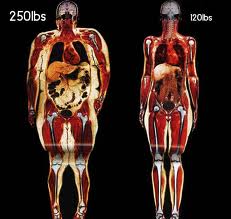
The Brookings Institute released a study this week on the direct and indirect costs of American obesity. The number being thrown around is somewhere around 215 billion dollars…an incomprehensible number that doesn’t mean much at a glance.

Let’s break it down in a few ways that make more, if not odd, sense.

The biggest portion of this directly relates to health care costs. An extra 147 billion is spent on obese adults every year compared to those who are of healthier weight. Another incomprehensible number, it basically means overweight people are more likely to have everything from diabetes to bad knees, and even depression.

The less direct costs are more fascinating. Disability and premature death costs seem more obvious compared to the bizarre 66 billion dollar cost in lost worker productivity associated with obesity.  Overweight people struggle with absenteeism due to health related issues, and  “presenteism” – decreased productivity while at work. Other work related expenses includes higher health insurance and benefit costs.

Fuel and transportation costs are other indirect, yet expensive, costs of obesity. Heavier loads require more fuel, and bigger vehicles. More fuel also means more greenhouse gas emissions, equaling big bad things for the environment.

The most removed and greyest area of the study looks at socio-economic status or “human capital”, with obese people being less likely to attain higher levels of education, marriage, and higher income potential. Again, this research is more difficult to verify and track.

So what do we do? Suggestions run the gamut and include moving to a walking neighborhood, where people tend to be, on average, 7 pounds less.

It is important to remember at the end of the day this study impacts all of us directly, with research indicating two-thirds of adults in the US now overweight
including one-third who are obese. At this time, there is no end in sight to the economic expenses which are anticipated to expand with our waists in upcoming years. Little changes will help, but a major paradigm shift in the way we think of food, health, work and life is needed to make a true difference.

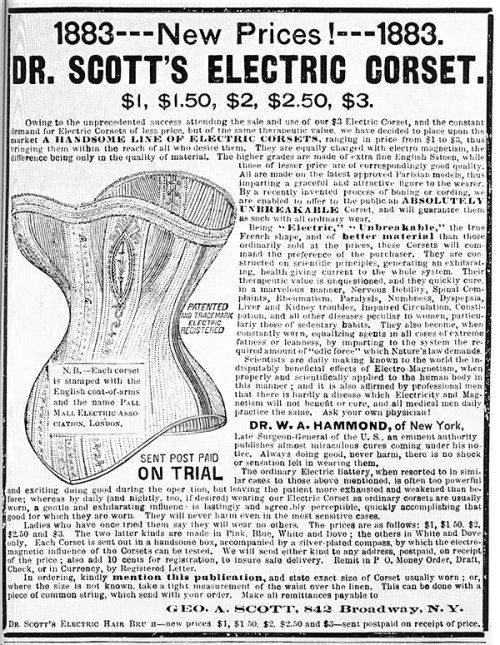
127 years of electrocuting your waist won’t help.

Every few years, a journalist delves into the validity of electric belts for toning abdominals.

Since the invention of electricity, there have been those seeking out its health related powers, usually in the name of making a buck.  Decades of time, money, and hope all wrapped in a belt that shoots painful shocks into your body. Somehow electric weight loss still sparks with promise.

The collective desire to believe in the power of weight loss while doing as little as possible is so strong, it’s borderline religious in fervor.

So if you wish to worship at the alter of Saint Electric Belt, here’s my advice::

If the electric belt prayers weren’t answered in the 1800s or the 1900s, why would they be now? Could 127 years of stringing people along be wrong? Yeah, probably.

Electricity has not evolved into anything new in the past 100 years. In fact, neither have these belts. Worst-case scneario you happen to be the unlucky soul who purchased the first generation electric corset in 1883, prior to alternating currents AC/DC…you might have had a few more problems, or at least a few more burnt ends…

To sum up:

Yes. Along with a good amount of exercise, electric stimulation, used in physical therapy, potentially helps build intrinsic small muscles to aid in overall recovery.

No. Using an electric belt with no other health and/or fitness regime will not help in weight loss.

Any questions?

Next time we will explore the lives of Saint Shake Weight and Saint Diet of Milk…

Food for thought

We could talk specific foods ingested, numbers of times a day, eat this-not that, caloric intake, etc.  Sure. Dissecting nutrition makes a difference. Knowledge is power, but over-think it, and you might end up neurotic about food. The Puritanical roots of our all or nothing culture places food into good and bad categories, fostering patterns of emotional eating, binging, guilt complexes, eating disorders, etc.  It’s no way to live and eventually we all crash and burn.

Truth is lots of things lend to well-being. It’s not just calorie counting on a plate and minutes counted at the gym. We need activity (unplug more often), natural nutrition (processed foods sparingly), stress regulation, and an understanding of societal ideals on daily life.

BUT…

If you are looking for one big universal answer on how to best handle food and nutrition, I have it. Going back thousands of years, when it comes to food, it’s the real secret to a healthy, fitter you, in mind and body:

Relax. Take pleasure in your food.

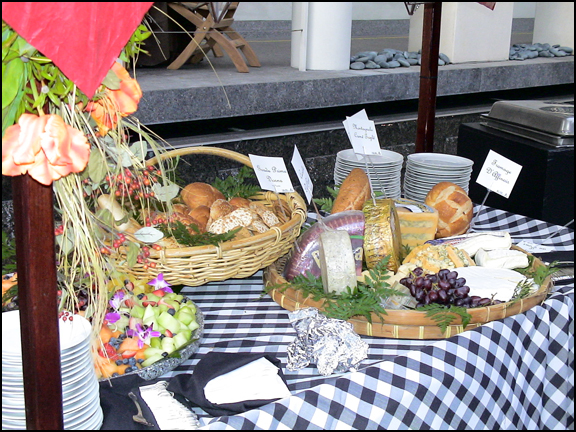
Love food and all the ceremony and community that goes with it. Adore wine, meat, bread, chocolate, avocados, whatever. It’s fine. Heck, it’s healthy!  Relax already about calories. And please! Stop forcing down quick bars with everything you need…you don’t really need it. Invest time into real food as much as possible. Use mealtime to celebrate seasonal delights. The appreciation comes from the same place, whether it be the perfect granny smith in October or the perfect bite of a dark chocolate. Taking pleasure in food creates a magical experience where flavor rules over quantity. The need for more diminishes.

This is not to say it is necessarily an easy switch. It’s a lifestyle change. Mealtime, food, and even community must be given more space in our daily routines. To encourage such dietary shifts, there’s a growing movement building awareness around food called mindful eating. I reserve a certain amount of reticence with regards to the introduction of new diets and food rules.  With the best of intent, such guidelines can paradoxically create more anxiousness over food and, ultimately, failure. It’s a strange conundrum, but just letting go and trusting our own instincts often makes the biggest difference. If you do require more reading on this topic,  here is an essay on tuning into your own eating instincts. Humans are social creatures, where community and food have played a role throughout time. The learning curve should be small.


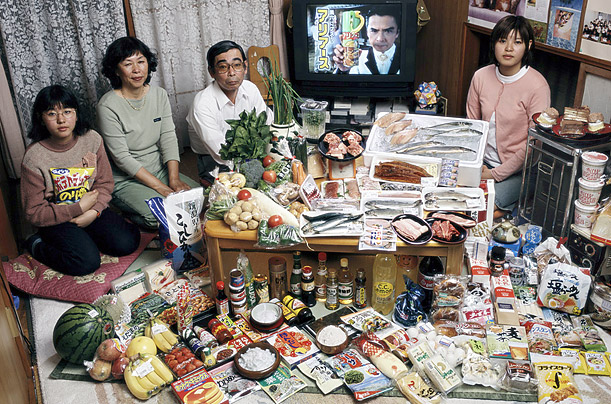
The most used cultural food case study, looks at the French.  A Guardian article from 1994 quotes stats from the French government’s Committee for Health Education (CFES) which found that eating is still very closely linked to a national heritage of consuming good food for pleasure. In France, (in 1994) 76 per cent ate meals prepared at home, with 75 per cent eating at the family table.  The French typically spend two hours over lunch and they don’t eat in front of the television. The French eat slowly, enjoying both the food and the company.

In fact, most Countries have some cultural heritage in and social connection to their diet. Notable places include Japan, China, Greece, and Italy.

Food is not ingested for energy alone, but a source of personal and national pride, with time and care taken to prepare meals.  Rich or poor, this pride is for everyone. Due to seasonal ingredients limited quantities and time available the focus of meals is on little plates with big flavor, encouraging one to savor every bite.

Now here’s your food for thought:

Why not create your own personal culture and traditions around food. Be creative and enjoy all the pleasures it offers year round. Food should be fun. Your waist might respond in kind, so go ahead and feel free to play with your food.

Cheers