Yearly Archives: 2010

Four exercises in under 10 minutes to firm your core

How fit is your center?

It’s not about how many crunches you can do. Did you know if you overwork your abs, you could end up with back pain and no flatter a front? Your center is not just the muscles you look down at and sigh, but your whole trunk: front, back, sides, top and bottom. A fine balance in all of these muscles is necessary for a strong core.
Here’s a simple test to determine how you measure up:  Hold a forearm plank as long as you can. 1 minute is good. 2 minutes is excellent. Less than 1 minute? We have some work to do.

During the above test, really pay attention to what you are feeling. These feelings speak volumes about what and where you are weak, strong, tense, etc.

Do you feel your low back? Then your abdominals and deeper core muscles are not lifting to support your trunk and they need to be strengthened.

Do you feel your neck tension or elbow pressure? Then you upper core muscles, like the lattisimus dorsi,  (ie the muscles that push your armpits down towards your hips) need to be strengthened.

What’s your body telling you? Different pains and strains mean different muscles are out of balance. Tuning into your body and developing the awareness of what is being felt is the first big step to finding core balance and strength.

To build overall trunk strength, try this simple core challenge.

Performing these exercises at least 5 days a week. It should take less than 10 minutes. Even after a few weeks, you will feel the difference:

#1. THE FOREARM PLANK

Up to 2 minutes. Pinch glut muscle together. Lift abdominals up towards the spine. Keep your neck long (front and back), and maintain an open chest, with the collar bones trying to peek out.  Balance forearms on a stability ball to mix up the challenge. Starting on the knees is a-ok!

#2. SIDE FOREARM PLANK:
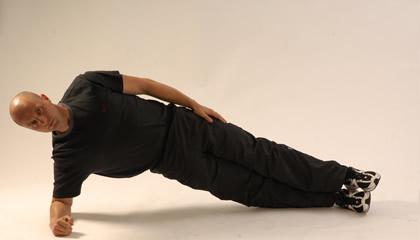
1 minute each side. Keep hips lifted. Belly pulled in (tighten the waist muscles all around like a corset), and chest stretched open.

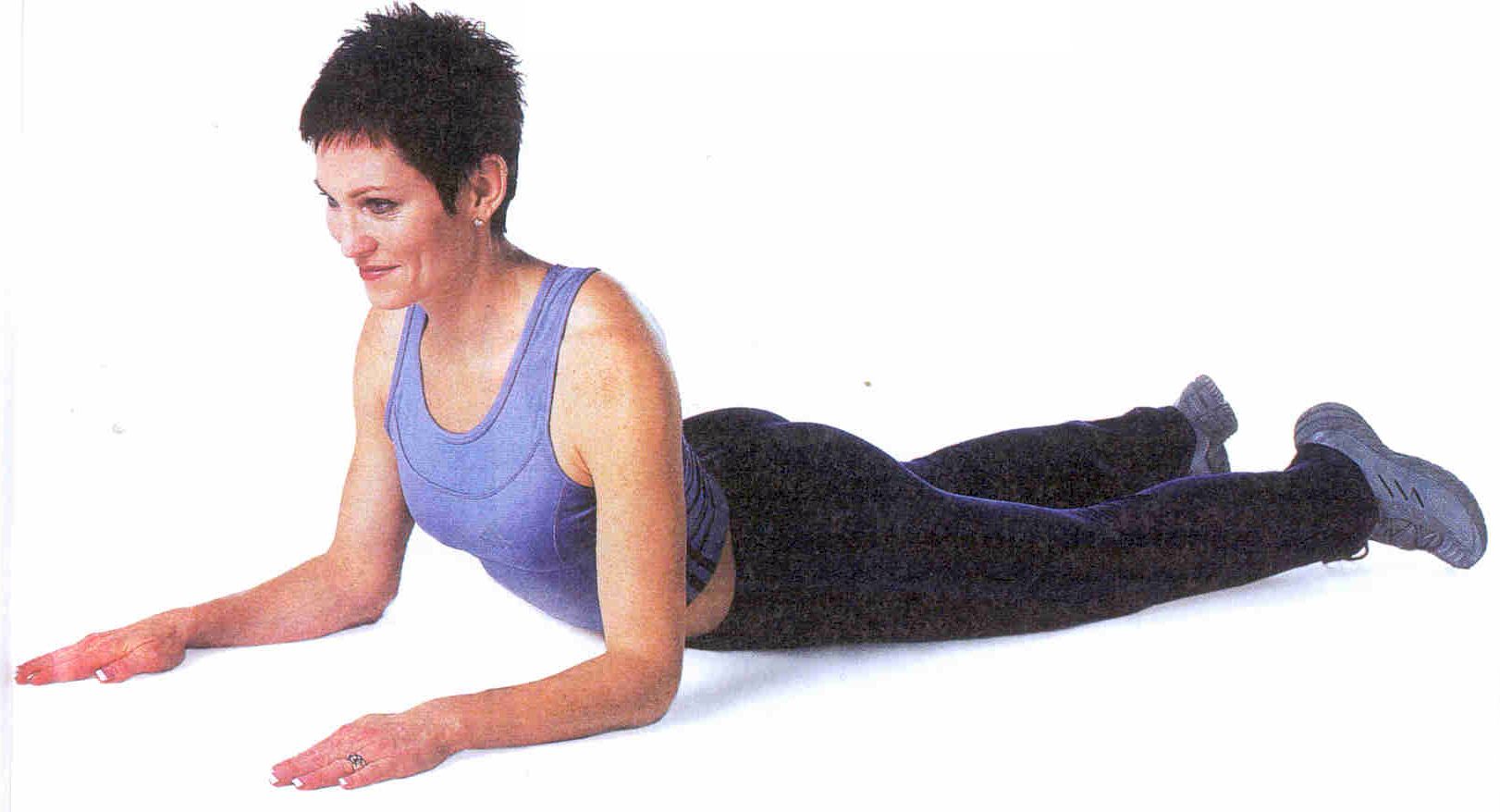
#3. BACK EXTENSIONS: Keeping hips and top of thighs on the floor. Hands under armpits. Press into palms and lengthen chest and back up and out, away from legs. No pinching in the low back  nor strain in the neck allowed. If you feel this, angle your arch less.
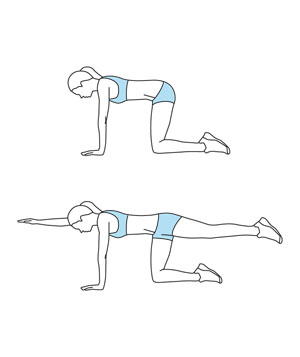
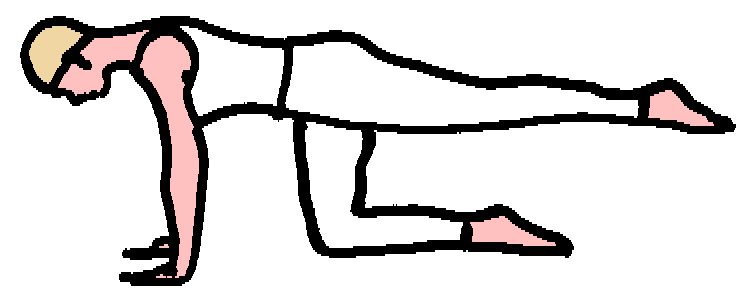
#4. BIRD DOG:

On hands and knees, scoop the abdominals up and in towards the spine. (Think of putting on a tight pair of pants, trying to get the last bit of zipper up).  Extend the opposite arm and leg away from the contracted center.  If both arm and leg together is too hard to balance, start with extending just the legs. Hold the extended position for 10 seconds then switch sides. 5 -10 sets.
That’s it. Start simple and slow. 4 exercises. Less than 10 minutes a day. 5 days a week.  It will make a noticeable  difference within a few weeks, and who knows…maybe those 10 minutes will inspire you to add more activity throughout the day. Good luck!
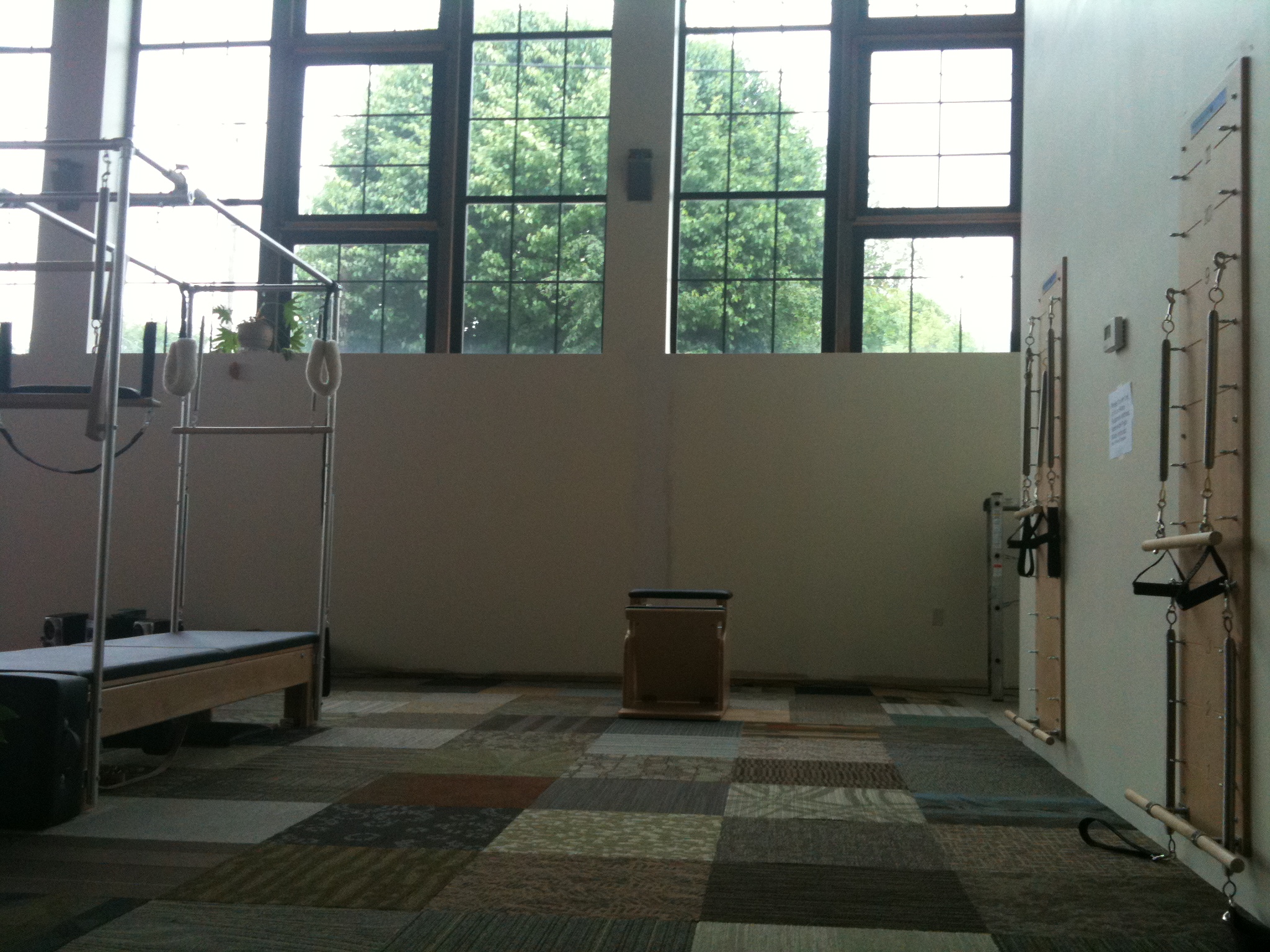
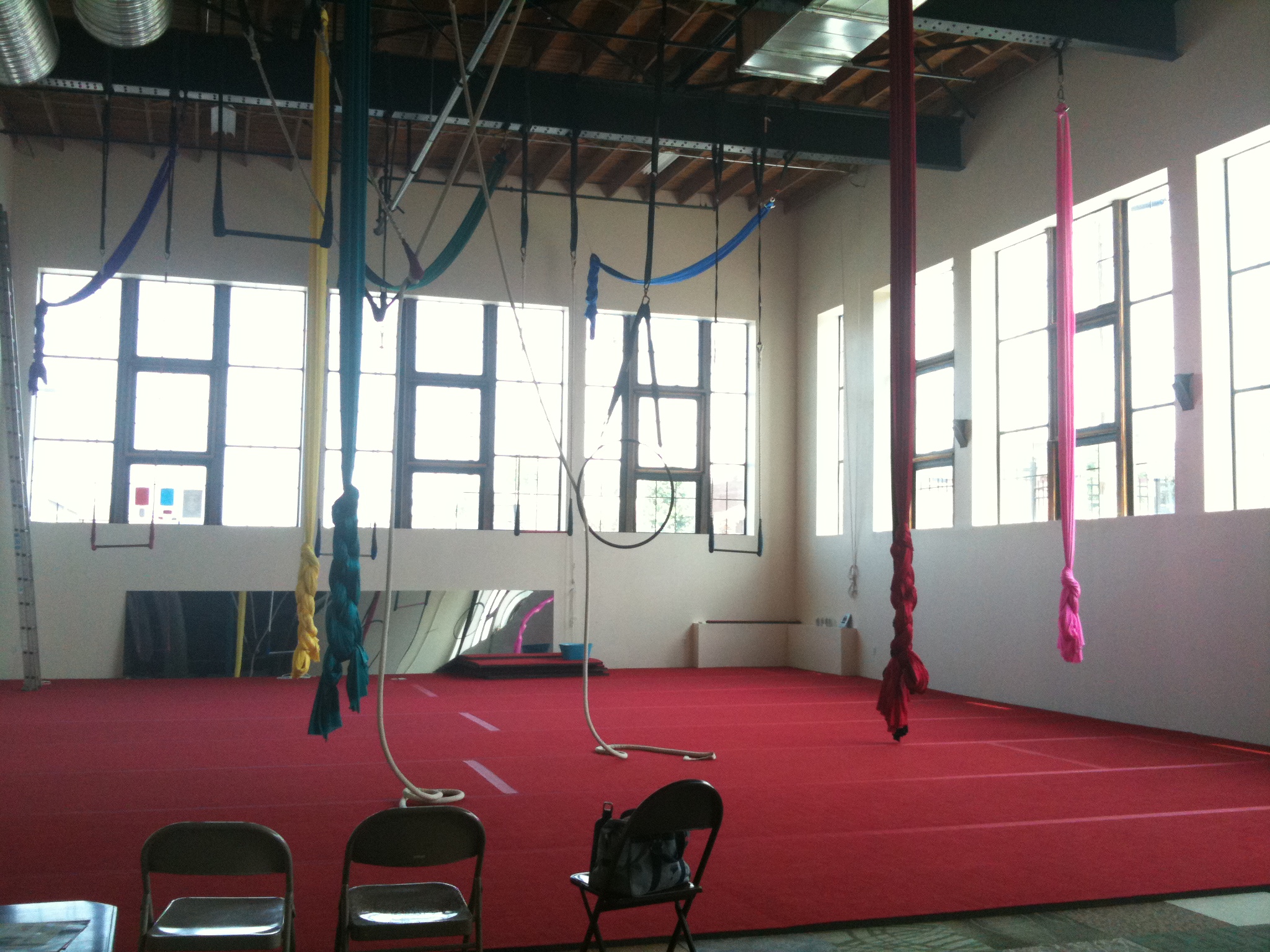
New Pilates Classes/Core Conditioning in St Louis

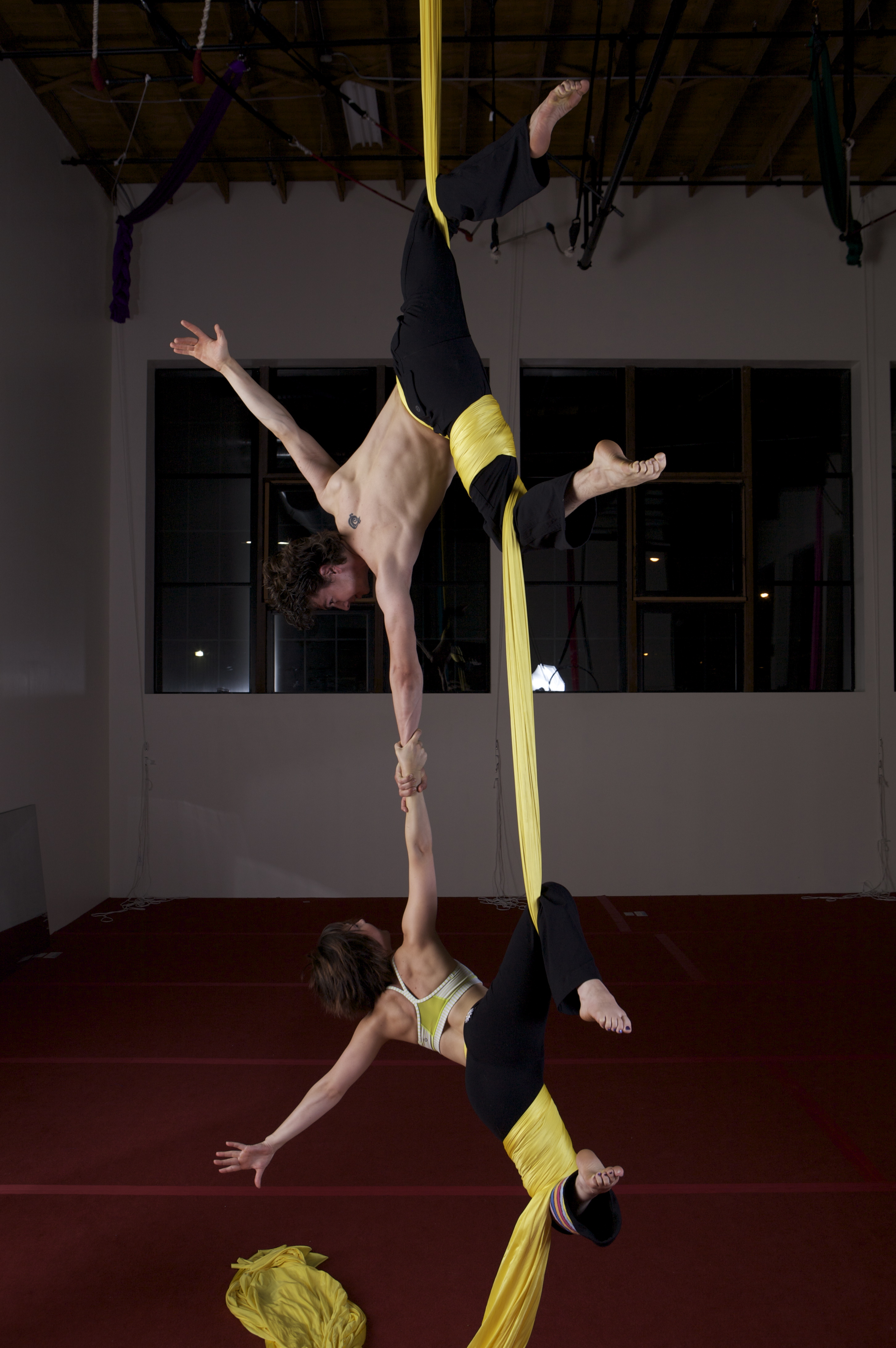
Bumbershoot Aerial Arts (2200 Gravois Avenue, 63104) is an aerial and circus arts school close to downtown St. Louis where people can discover their inner monkey. There are few places like it.

Core conditioning and awareness of movement are important building blocks to gaining strength and staying safe in the air. It’s one thing to climb a rope, and another to know how you got there.

To aid in your circus skills, or to just gain strength for everyday life on the ground, Pilates mat classes, private training on Pilates equipment, and aerial conditioning classes are now offered at Bumbershoot.

It’s the only classical Pilates classes near downtown and the only colorful studio space like it around!
Bumbershoot Pilates Classes – Fall 2010

INTERMEDIATE PILATES MAT Tuesdays  and Thursdays  at 6pm

A faster paced, classical Pilates mat class, with emphasis on flowing movements outward from a strong core.  Advanced exercises are explored. Previous Pilates experience or instructor approval required. Knowledge of proper modification for your body is required. 55 minutes

BEGINNER MAT Saturdays 10 am

Kick off your Saturday morning with a stronger core! This Pilates mat class is open to all and focuses on fundamentals and beginner classical mat. Learn how to simultaneously stretch and strengthen your muscles. Gardening, sports, and even trapeze become much easier with a stronger center. 55 minutes

Joseph Pilates partaking in fitness fun

Private and small group instruction by appointment. For information on these classes and instructor Stephanie Ellison, please click on the classes and instruction page here.


Presidential Fitness – Claim your Award

TO BE FIT

Ah, the joys of doing the presidential fitness test in junior high. As if we all weren’t awkward enough, mix in memories of bad P.E. classes and…well, not a lot springs to mind because I blocked them out. I do remember the mottled red t-shirt and ill-fitting, infinitely uncomfortable polyester shorts.

Looking back, it’s such a wonder why the education system can’t make physical education more adventurous and pertinent. Light anatomy, injury prevention and creative exploration of personal activity goals, could help stave off the obesity epidemic and stress levels, in part.  But this is a topic for another day. I digress.

While you don’t have to don the old itchy shorts, you can redeem your junior high years by taking the presidential ADULT fitness test. Yes, this test does keep following you. At least you don’t have to perform it in front of the school jocks. Trying this with a friend could make for a fun-filled hour of laughter… at each other. The test is filled with oldies but goodies observing general flexibility, endurance, strength, and aerobic fitness. Here it is, in brief:

  • Timed 1 mile walk
  • How many push ups can you do in 1 minute?
  • How many half sit ups (or chest curls) can you do in 1 minute?
  • Sit and Reach: Sitting on the floor, legs stretched out, belly scooped in, how far can you slide your hands along the floor?

Big fun, right? Sometimes, we have to start somewhere, and this isn’t a bad place to begin. Again, a partner in crime makes this more palatable and fun-ny.

I know. What you really want is an award – specifically from the President that says, “You made it. Go you!” Your prayers have been answered. The President is offering a Presidential Active Lifestyle Award, or PALA, for those of us who can’t live without acronyms.

The program has promise. It’s a simple, realistic, attainable goal – 30 minutes of activity, 5 days a week, for 6 out of 8 weeks. Done. Award please. It doesn’t have to be 30 consecutive minutes. Spread it out throughout the day. Taking the stairs at work, counts. Walking the distance of the parking lot, counts. Every little bit adds up.

Did I mention the award looks pretty official? You could place it on the mantel next to your child’s, or your own childhood, trophies.

You can even up the ante with the Presidential Champions Challenge, building on more activity to earn points towards supremely awesome medals: 40,000 points for bronze, 90,000 for silver, 160,000 for gold, and a whopping 1 million for platinum. I’d be sure to wear it around my neck at all times, if I were you.

Once moderate movement sets in, don’t be surprised at how steadily you feel better. It doesn’t take much and it works! I move to become adults in revolt, in the name of reclaiming our presidential fitness award. If you complete it, send me your photo with your award and we will post them. Just remember, 30 minutes of activity, 5 days a week, 6 out of 8 weeks. Good luck. See you on the other side.

Fast food is cheap. Fat is expensive.

The Brookings Institute released a study this week on the direct and indirect costs of American obesity. The number being thrown around is somewhere around 215 billion dollars…an incomprehensible number that doesn’t mean much at a glance.

Let’s break it down in a few ways that make more, if not odd, sense.

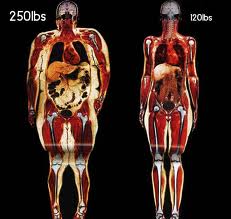
The biggest portion of this directly relates to health care costs. An extra 147 billion is spent on obese adults every year compared to those who are of healthier weight. Another incomprehensible number, it basically means overweight people are more likely to have everything from diabetes to bad knees, and even depression.

The less direct costs are more fascinating. Disability and premature death costs seem more obvious compared to the bizarre 66 billion dollar cost in lost worker productivity associated with obesity.  Overweight people struggle with absenteeism due to health related issues, and  “presenteism” – decreased productivity while at work. Other work related expenses includes higher health insurance and benefit costs.

Fuel and transportation costs are other indirect, yet expensive, costs of obesity. Heavier loads require more fuel, and bigger vehicles. More fuel also means more greenhouse gas emissions, equaling big bad things for the environment.

The most removed and greyest area of the study looks at socio-economic status or “human capital”, with obese people being less likely to attain higher levels of education, marriage, and higher income potential. Again, this research is more difficult to verify and track.

So what do we do? Suggestions run the gamut and include moving to a walking neighborhood, where people tend to be, on average, 7 pounds less.

It is important to remember at the end of the day this study impacts all of us directly, with research indicating two-thirds of adults in the US now overweight
including one-third who are obese. At this time, there is no end in sight to the economic expenses which are anticipated to expand with our waists in upcoming years. Little changes will help, but a major paradigm shift in the way we think of food, health, work and life is needed to make a true difference.

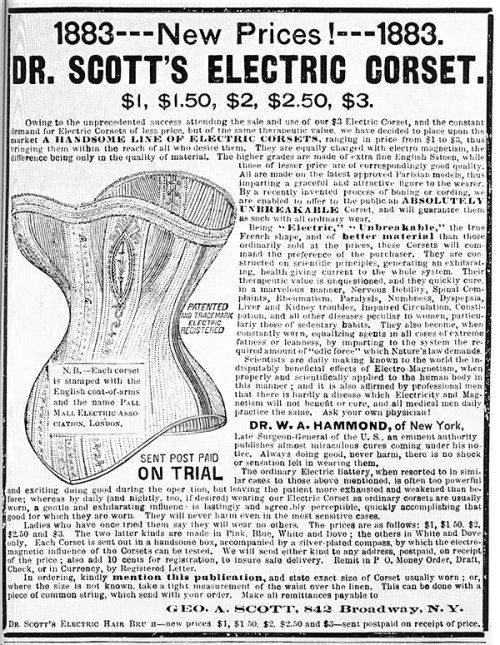
127 years of electrocuting your waist won’t help.

Every few years, a journalist delves into the validity of electric belts for toning abdominals.

Since the invention of electricity, there have been those seeking out its health related powers, usually in the name of making a buck.  Decades of time, money, and hope all wrapped in a belt that shoots painful shocks into your body. Somehow electric weight loss still sparks with promise.

The collective desire to believe in the power of weight loss while doing as little as possible is so strong, it’s borderline religious in fervor.

So if you wish to worship at the alter of Saint Electric Belt, here’s my advice::

If the electric belt prayers weren’t answered in the 1800s or the 1900s, why would they be now? Could 127 years of stringing people along be wrong? Yeah, probably.

Electricity has not evolved into anything new in the past 100 years. In fact, neither have these belts. Worst-case scneario you happen to be the unlucky soul who purchased the first generation electric corset in 1883, prior to alternating currents AC/DC…you might have had a few more problems, or at least a few more burnt ends…

To sum up:

Yes. Along with a good amount of exercise, electric stimulation, used in physical therapy, potentially helps build intrinsic small muscles to aid in overall recovery.

No. Using an electric belt with no other health and/or fitness regime will not help in weight loss.

Any questions?

Next time we will explore the lives of Saint Shake Weight and Saint Diet of Milk…

Food for thought

We could talk specific foods ingested, numbers of times a day, eat this-not that, caloric intake, etc.  Sure. Dissecting nutrition makes a difference. Knowledge is power, but over-think it, and you might end up neurotic about food. The Puritanical roots of our all or nothing culture places food into good and bad categories, fostering patterns of emotional eating, binging, guilt complexes, eating disorders, etc.  It’s no way to live and eventually we all crash and burn.

Truth is lots of things lend to well-being. It’s not just calorie counting on a plate and minutes counted at the gym. We need activity (unplug more often), natural nutrition (processed foods sparingly), stress regulation, and an understanding of societal ideals on daily life.

BUT…

If you are looking for one big universal answer on how to best handle food and nutrition, I have it. Going back thousands of years, when it comes to food, it’s the real secret to a healthy, fitter you, in mind and body:

Relax. Take pleasure in your food.

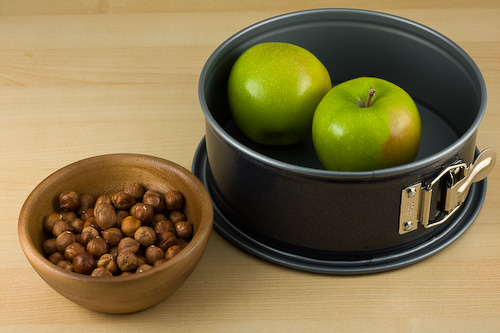
Love food and all the ceremony and community that goes with it. Adore wine, meat, bread, chocolate, avocados, whatever. It’s fine. Heck, it’s healthy!  Relax already about calories. And please! Stop forcing down quick bars with everything you need…you don’t really need it. Invest time into real food as much as possible. Use mealtime to celebrate seasonal delights. The appreciation comes from the same place, whether it be the perfect granny smith in October or the perfect bite of a dark chocolate. Taking pleasure in food creates a magical experience where flavor rules over quantity. The need for more diminishes.

This is not to say it is necessarily an easy switch. It’s a lifestyle change. Mealtime, food, and even community must be given more space in our daily routines. To encourage such dietary shifts, there’s a growing movement building awareness around food called mindful eating. I reserve a certain amount of reticence with regards to the introduction of new diets and food rules.  With the best of intent, such guidelines can paradoxically create more anxiousness over food and, ultimately, failure. It’s a strange conundrum, but just letting go and trusting our own instincts often makes the biggest difference. If you do require more reading on this topic,  here is an essay on tuning into your own eating instincts. Humans are social creatures, where community and food have played a role throughout time. The learning curve should be small.


The most used cultural food case study, looks at the French.  A Guardian article from 1994 quotes stats from the French government’s Committee for Health Education (CFES) which found that eating is still very closely linked to a national heritage of consuming good food for pleasure. In France, (in 1994) 76 per cent ate meals prepared at home, with 75 per cent eating at the family table.  The French typically spend two hours over lunch and they don’t eat in front of the television. The French eat slowly, enjoying both the food and the company.

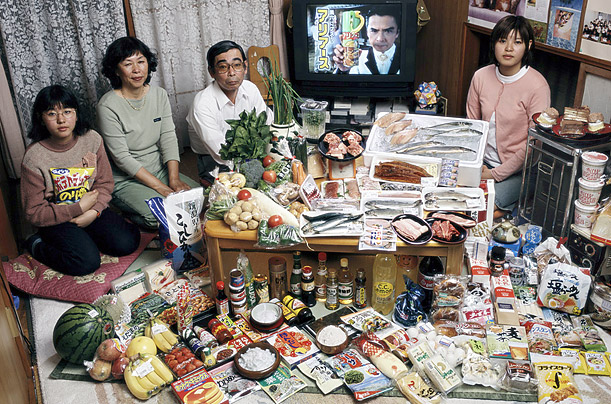
In fact, most Countries have some cultural heritage in and social connection to their diet. Notable places include Japan, China, Greece, and Italy.

Food is not ingested for energy alone, but a source of personal and national pride, with time and care taken to prepare meals.  Rich or poor, this pride is for everyone. Due to seasonal ingredients limited quantities and time available the focus of meals is on little plates with big flavor, encouraging one to savor every bite.

Now here’s your food for thought:

Why not create your own personal culture and traditions around food. Be creative and enjoy all the pleasures it offers year round. Food should be fun. Your waist might respond in kind, so go ahead and feel free to play with your food.

Cheers


Integrating mind and body into medicine

It is exciting to see the medical community steadily moving towards a well-rounded, holistic approach to health care.

Dr. Herbert Benson is a great example. He heads the Benson-Henry Institute for Mind Body Medicine at Massachusetts General Hospital. Benson and his institute are working to integrate mind/body medicine into all areas of health care.

Benson sees health care as a “three-legged stool”:  one leg is drugs, another being surgical procedures, and the third as self-care or mind/body medicine which he classifies as the following:

The relaxation response (ways to de-stress, such as meditation)

Positive coping (cognitive behavioral therapy)

Physical activity

Nutrition

Social support

What’s great about the Benson Institute is not only are they promoting stress management for patients, but are educating doctors and health care professionals on how to integrate mind/body medicine into their practices, rather than just offering the text-book drugs and surgical procedures.

A quote from their own site states:

Primary care physicians often are taxed by patient complaints that do not seem to have a clear etiology, nor do the patients improve despite good medications and expensive procedures. Current studies show that stress or distress may have a significant effect on the onset, the course, and the management of many, if not all, diseases. Understanding a patient’s underlying stress physiology and coping mechanisms may enable physicians to better understand various clinical disorders and treat their manifested symptoms. -Benson-Henry Institute

Dr. Benson’s most recent book: Relaxation Revolution: Enhancing Your Personal Health Through the Science and Genetics of Mind Body Healing is now available.

You can hear an interview with Dr. Benson on the Diane Rhames Show, broadcast earlier today.

The changing shape of the ideal body

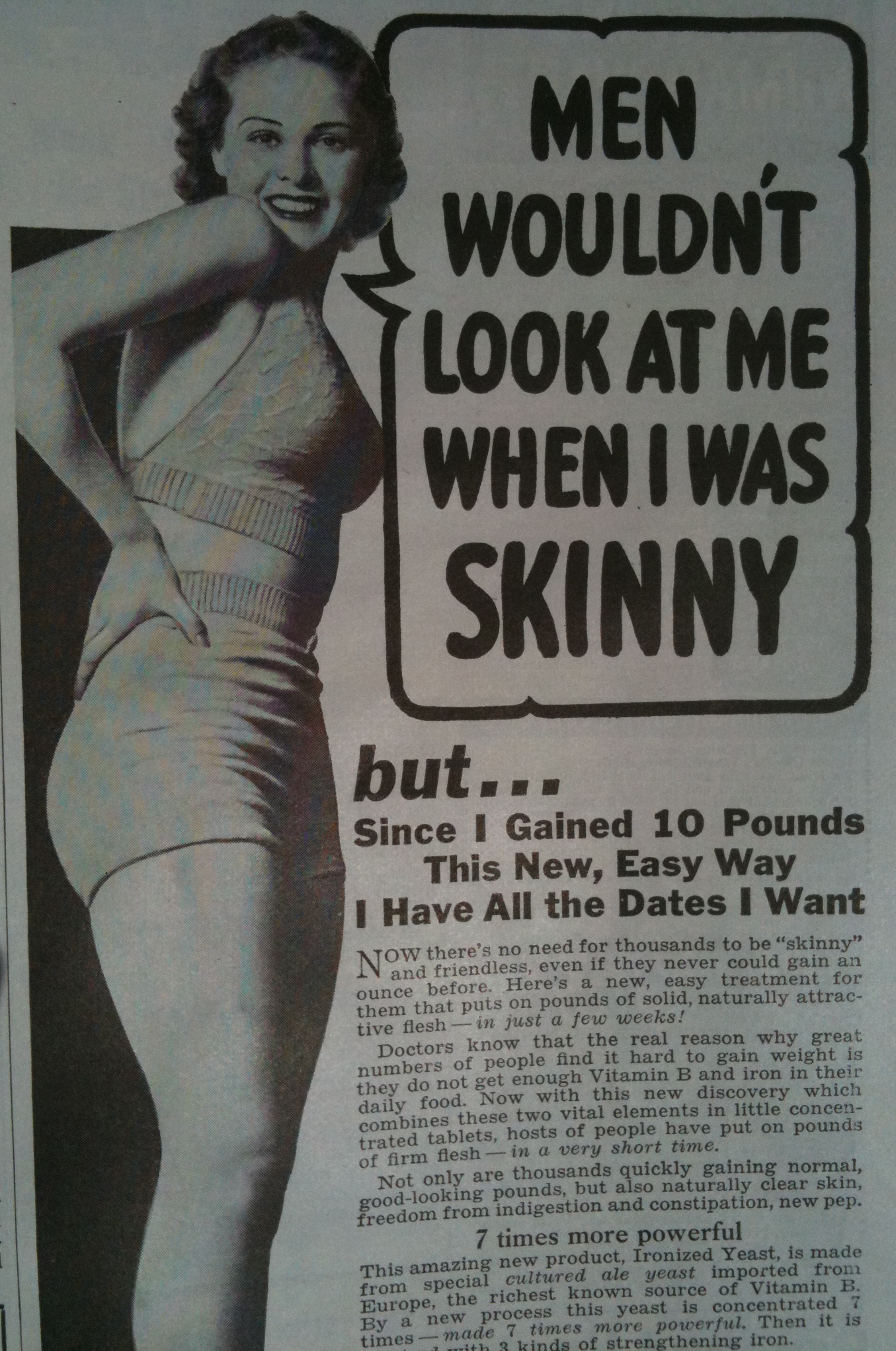
A 1935 ad reminds us it wasn’t so long ago that “skinny” was undesirable.

Our first reaction to the above ad is shock and horror.

How could anyone fall for this ?

But then, it is only fair to question…how could anyone fall for this?

Same worries, different times. The ideal feminine physique is ultimately defined by what we eat as a society at large. Let’s go on a time traveling adventure to witness the ongoing evolution of the beautiful body.

Start your flex capacitors…

It’s 1935.  The country is in the grip of the great depression. Meat is expensive, and produce, if it isn’t canned from the year before, comes from whatever is in season. Starchy, high fiber foods are added to every meal enhancing the feeling of fullness and staving off hunger. Sugar is a rare extravagance. Some are lucky enough to afford an annual sweet for Christmas, although many look forward to receiving the exotic gift of an orange on their pillow Christmas eve.

A curvy figure is the epitome of health. It equates to vitality, wealth, sexuality, and the ability to bear healthy children. Aphrodite incarnate.

Now time travel to 2010. Oh. Hold up. We are already there. In the past 100 years we have seen farm subsidies on corn and soy commodities, WWII, the boon of the 1950s, and better living through chemistry – which introduced chemically enhanced flavor to food while keeping it fresh longer, like high fructose corn syrup, partially hydrogenated things and msg…just to name the greatest hits.

Currently we are in the midst of another depression. Fresh fruits and vegetables, and local, organically raised meats are expensive. Wild fish prices continue to rise. Chemicals, new technologies, and processes make packaged food readily available and inexpensive.  So many chemicals are found in these inexpensive packaged foods, that often there is no “food” left at all.  As a nation, most of what we eat contains sugar. All things considered, it’s a rather bizarre obesity epidemic created in the US where often citizens are simultaneously overweight and malnourished.

Now, in 2010, aphrodite looks something like this:

Being skinny now embodies a certain attitude towards health. Skinny now equates to health, energy, financial success,  happiness, sexuality, and youth. It says, “I have time to exercise and take care of myself.”

This is not to be a comment on whether it is right or wrong, just that it is. Standards of beauty have been alive and well in humanity since the dawn of time. We are instinctively hardwired to aspire to a certain ideal, whatever it may be at that time.

Societal ideals will continue to exist. Seeing beyond the cultural ideal takes strength and vision, but it also coincides with our favorite approach to health  – the moderate one.


You are really getting on my Sciatic Nerve.

Does your back make you feel like this?

Back pain universally blows. It destroys postures, mental states, and days all around the world.

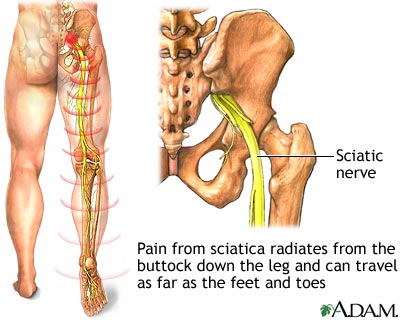
Sciatica is a subset of back pain mostly felt in the legs. The sciatic nerve is a long nerve that goes through the spine, separating down into the legs and ending in the feet.  Sciatica often occurs when something close to the sciatic nerve impinges upon it. The muscles around the nerve, in an attempt to protect it, seize up causing sharp, shooting pain or numbness through the buttocks and the back of the leg. Muscle atrophy can result from the stress of seizing up.

The sciatic nerve

Sciatica and back pain can attack anyone at anytime. A young athletic person with muscular imbalances is as likely to feel back pain as an older person with a sedentary lifestyle.

If ignored, sciatica and back pain often gets worse. With an acute onset of sciatica at 25, I know. Without proper care, I was forced to lay on the floor for a week, unable to sit or stand for long. My leg would buckle underneath me, and even as the pain lessened, I could barely stand for more than an hour or two at a time. It took a year of constant work to become pain free. That year was crucial for understanding how to care my body and preventing back problems for years to come.

Every body is different. Back problems are relative to the individual. Proper core strength, self-knowledge and self-care are golden tickets to recovery.

Below are suggestions to help ease sciatica, but always consult your physician regarding any prolonged back pain.

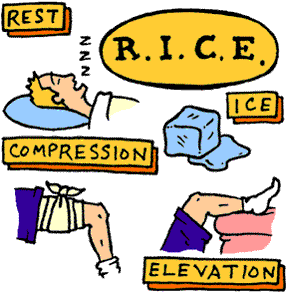
#1. R-I-C-E – It’s the physical therapy stand-by for acute pain. Practiced everywhere from the school nurse’s office to NBA courts.

REST– After an acute back injury, rest is the best medicine. Allow the spine and muscles to relax and to heal on their own terms. Listen to your body.

ICE– When in doubt, go with ice to help relieve inflammation and numb the pain. My favorite ice pack is a super large bag of corn or peas from the grocer, just don’t eat it later.

COMPRESSION– Wearing a back brace or wrapping an ace bandage in a corset-like fashion can temporarily aid in supporting the spine and muscle strain.

ELEVATION – Rest flat on the back, allowing the legs to be propped up at an ELEVATED angle. Either with a pillow below the knees or lying on the floor with calves draped on the couch or a chair.

#2. Stretch out the spasm.

Stretching out cramping muscles provides temporary relief. Proper stretching is crucial. Do not stretch the leg past a 90 degree angle, causing the low back to curl forward or twist. While this might feel good at the time, it can make the pain worse later by straining the low back.  Keep the spine neutral while stretching the legs. Again, when stretching the leg do not allow the low back to round or tuck under.

hamstring stretch. turn the leg in and out

Piriformis stretch: This stretch releases the muscle spasm temporarily around part of the sciatic nerve.  Lie on your back. Cross one foot over the opposite thigh. Pull the thigh in towards your chest. It’s very important to keep your tailbone on the floor (do not allow it to curl up off the floor).

Piriformis stretch

#3. Build a better core

Begin to work on slow, controlled movements that allow you to find your core muscles. No crunches or sit ups. Without proper awareness these movement can create further muscular imbalance and continued back pain. I recommend trying the dead bug exercise, which is explained here.

dead bug exercise

#4. McKenzie Exercises

Physical therapists either approve or condemn this method. There seems to be no in between. After 6 months of pain, the McKenzie extension exercises helped my own pain and strengthen my back muscles.

Named after a physical therapist in New Zealand, McKenzie exercises are primarily extension (arching) exercises that could help reduce the symptoms of herniated disc by reducing pressure on a nerve root. For acute pain, the McKenzie exercises should be done frequently, at least once every two hours. For more information, you can buy the book, or check out their website. Although many back and sciatica problems could be helped by these exercises, it is not for everybody. Consult a therapist or a doctor to determine if this method is for you.

#5. Get moving with strength and balance

Once back pain is under control, it’s time to consider exercises to make sure the pain stays away. Understand your body’s muscular balance and how it works: Which muscles need to be strengthened and which need to be stretched? Which are overdeveloped or strained? A strong core includes whole body balance, not just the front abdominal wall. The guidance of a professional Pilates instructor, physical therapist, or movement therapist is highly recommended.  Ideas for low impact exercise can include:

walking

elliptical

swimming

pilates (with a certified instructor, preferably one with a rehabilitation background)

low impact aerobics

dance

…really, just get moving! Finding an enjoyable form of exercise is key to lasting strength. Regular activity, with balanced trunk strength, prevents back pain from recurring, allowing you to stay mobile and strong for many years to come.

Tobacco, Bowling, and Vintage Home Gyms

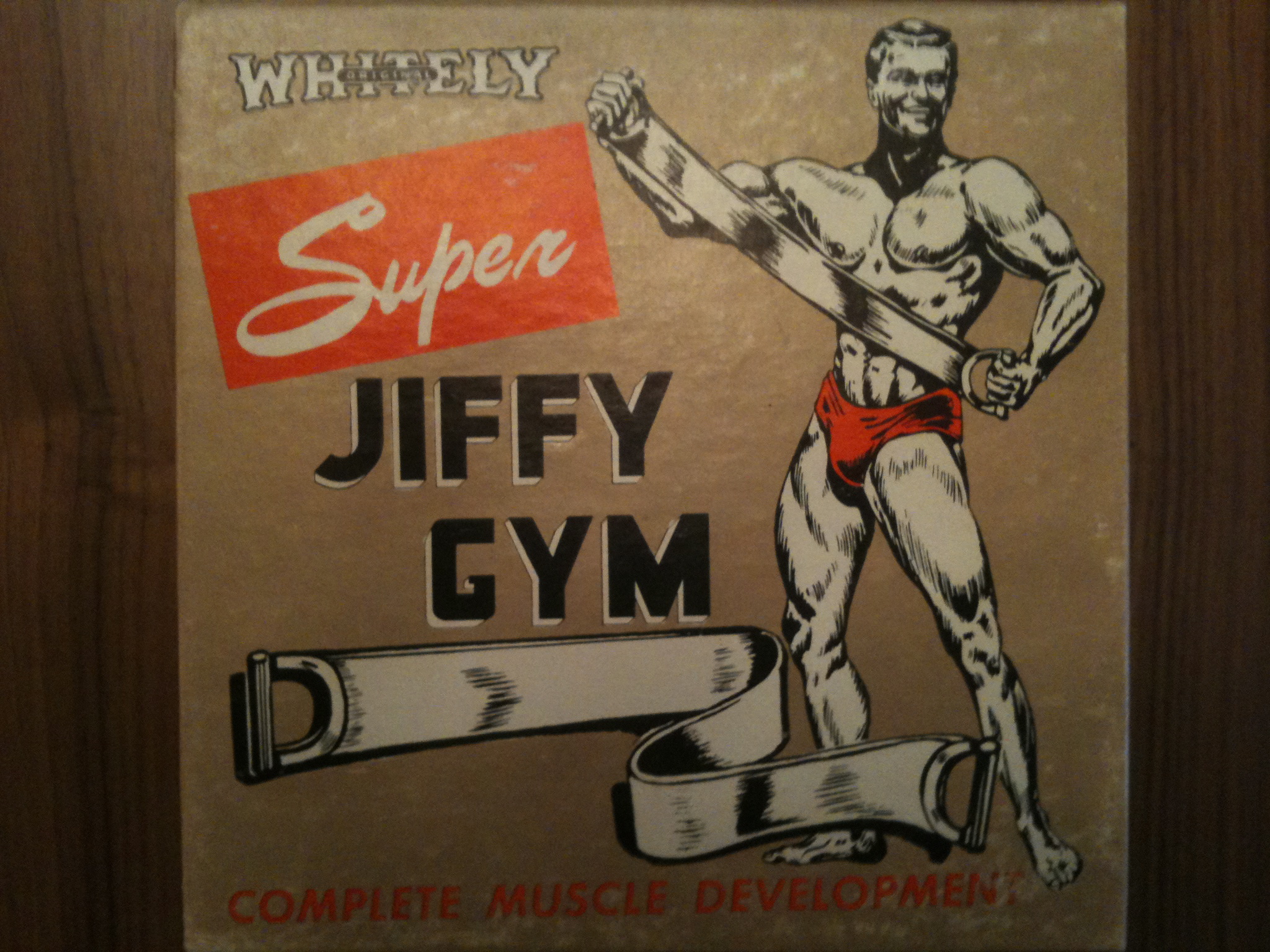
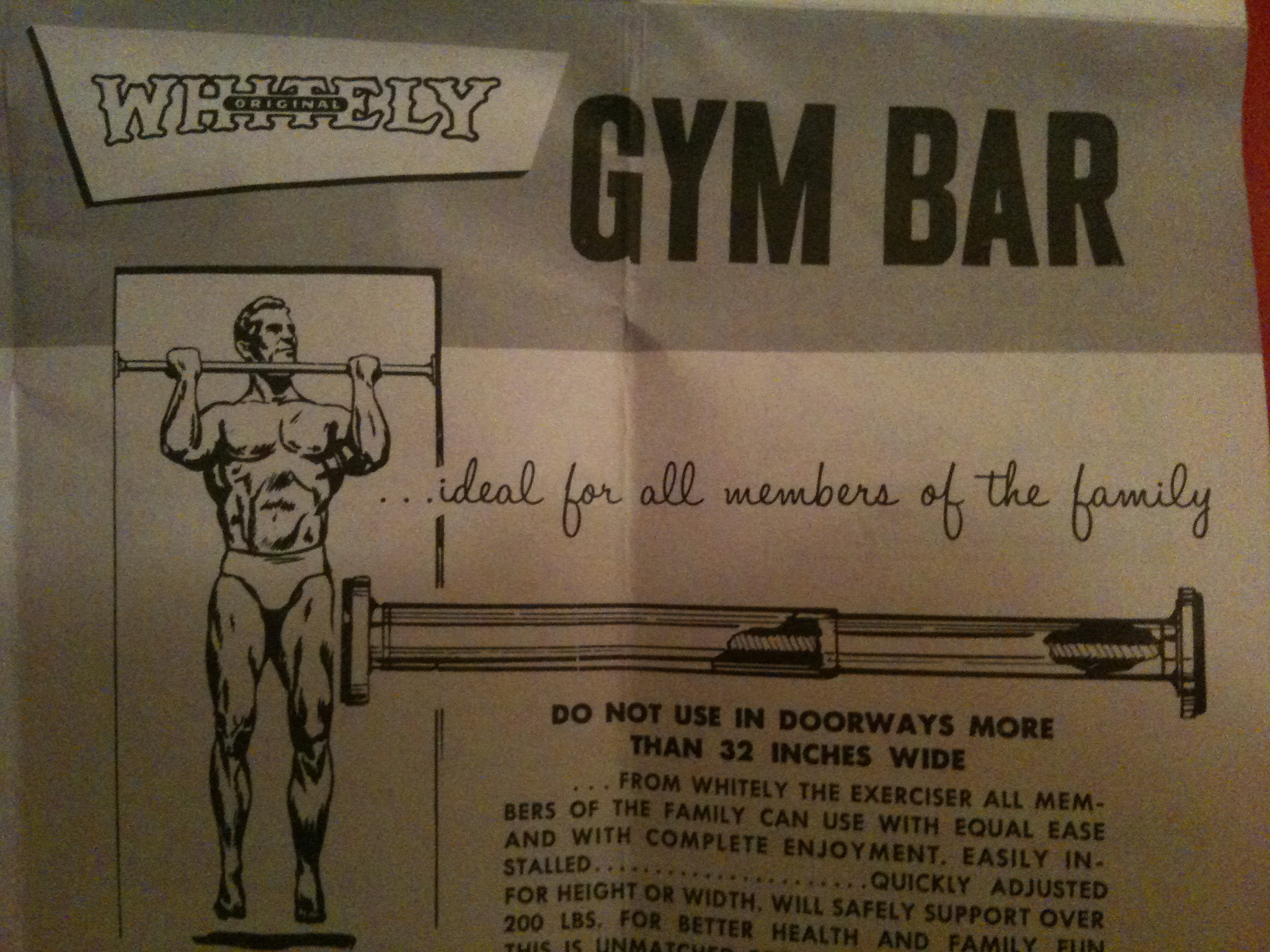
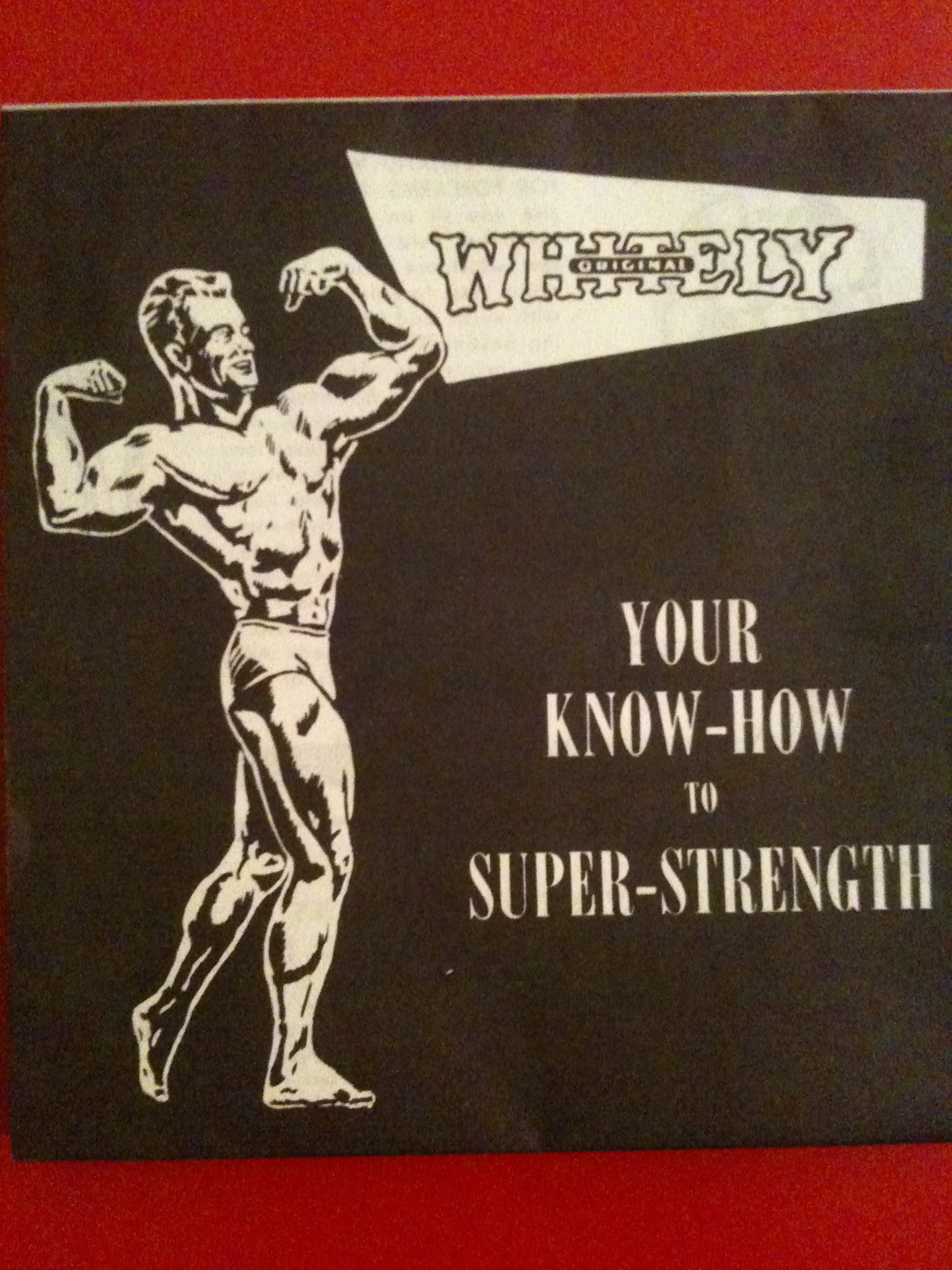
While browsing local vintage boutique Retro 101, I stumbled upon packaging that would catch anyone’s eye – manly muscles in a contradictory happy, yet formidable pose. Whatever was in the box, it had to be mine. So goes the power of marketing. Mad Men, eat your heart out.

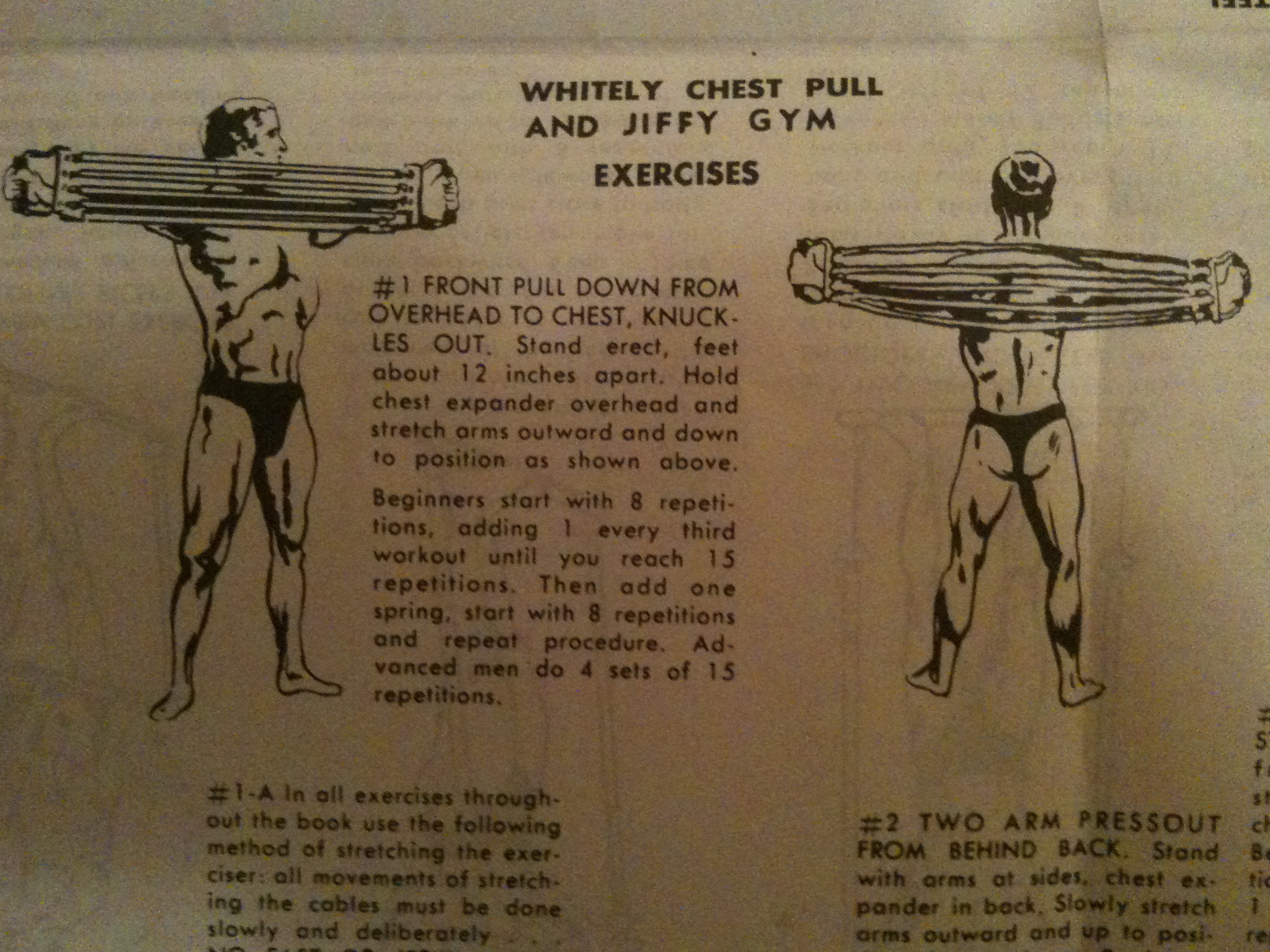
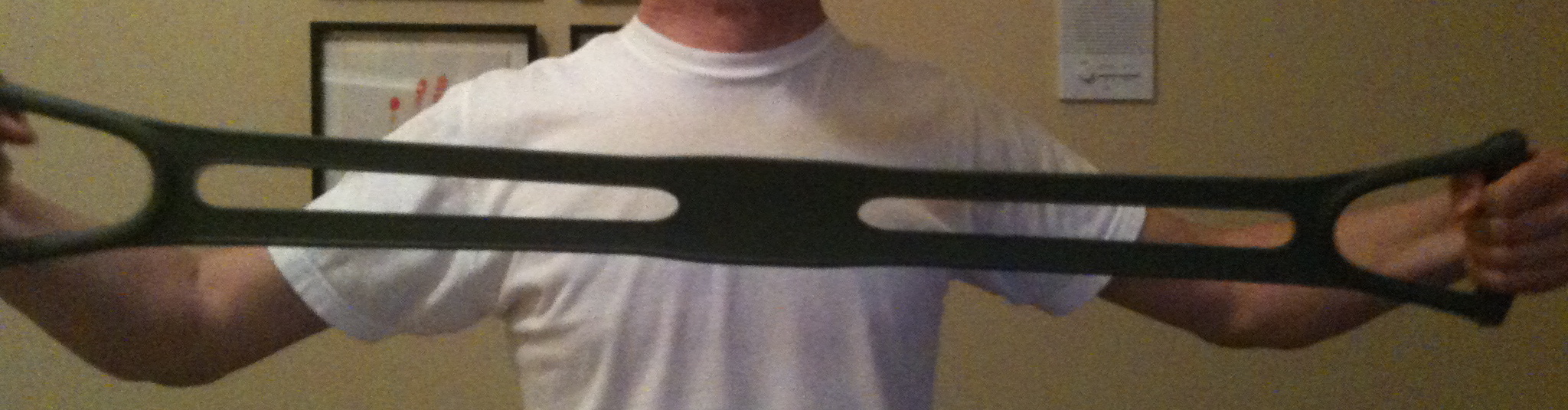
The Whitely Super Jiffy Gym looked promising. Best guess was with the invention of plastics, came the Super Jiffy Gym – a simplified version of the springed “chest pull” popularized by cartoons…you know the one that Tom and Jerry get tangled up in. Or was it Daffy Duck…

Now I too, could create an array of perfect Grecian poses with my new, vintage Jiffy Gym. Were the trunks required too?


But once taken out of the box, I could barely move it. It wasn’t quite the elastic band you might get from the physical therapist. No. The tension was somewhere between a strap to hold elephants at bay and a rock.

Verdict? The Jiffy Gym was a dud. Could use it to hang plants. The packaging was mesmerizing, however and a little research was in order. It appears Whitely Gyms offered a large array of classic home gym equipment throughout the 1960’s and early 70’s, bizarre precursors to the fitness props and home gym toys of today.

Turns out, Whitely Gyms of Hackensack, NJ, was owned by AMF Incorporated. AMF Incorporated was founded in 1900 New York, as the American Machine & Foundry Company Inc. The company manufactured automated machines for the tobacco industry.

AMF, Inc. expanded the automated machinery into all kinds of  industries, including the one they would ultimately be known for, the automatic pin-spotter. Yes, as in bowling. The war delayed the introduction of  the pinspotter until the late 1950’s when it revolutionized tenpin bowling and touched off a boom in the sport. Kingpin was born.

Involvement with bowling led AMF into a broad range of sports and fitness equipment during the 60’s and 70’s including; tennis racquets and skis, golf clubs, inflatable balls, scuba gear, (my Jiffy Gym) and other recreational products such as snowmobiles, bicycles, yachts and even Harley Davidson motor cycles.

From jump ropes, gym bars, bands, balls and pulley trainers, AMF’s Whitley Company offered it all.  The funny thing is, these same gym gadgets are constantly being reinvented every decade, purporting to be new, safer, more convenient, modern, and perhaps greener.

The Whitely line of home gym equipment quietly went away in the 70’s, only to be rediscovered now and again in vintage shops and yard sales by cultural fitness anthropologist such as myself. The Jiffy Gym is a shining reminder of how little has changed in American fitness, not to mention the influential power of good advertising. Afterall, I did buy it.