Tag Archives: Society and Fitness

Lindsey Lohan’s Health Is More Important Than Yours

Google you own name and chances are the paparrazi are not following your every misstep out of a nightclub.

Half of you stumble upon this blog by way of seeking out celeb gossip. One Pilates Studio I worked at in West Hollywood always had the latest spread of gossip mags, and most everyone, whether they themselves were celebrities or not, would sit down and read them. It’s fascinating and confounding.

Celebrity – love it or hate it – is inherently part of our human make-up. To aspire to, associate with, and to condemn. Stars summon our most human yearnings: to love, admire, copy and, of course, to gossip and to jeer.

Like Greek gods and goddesses with their individual powers and faults (Joseph Campbell would agree) celebrities are larger than life versions of us…reflections of ourselves in mythic proportions.

Leo Braudy, author of The Frenzy of Renown: Fame and its History, suggests that celebrities are more like Christian calendar saints “Celebrities have their aura—a debased version of charisma” that stems from their all-powerful captivating presence, Braudy says.

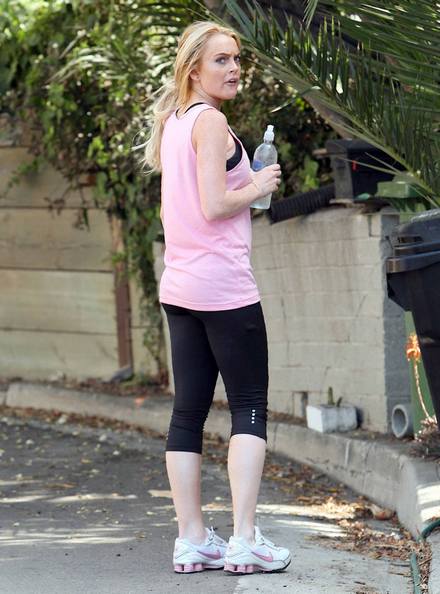
Lately the gossip spotlight falls often upon Lindsay Lohan – Patron saint of the rising star, burning out. A beautiful young starlet with the world at her feet only to be brought down by lack of boundaries, dysfunctional family, alcoholism, drugs, relationship problems, financial ups and downs…any of it sound familiar? Sure. It’s a little bit of all of us, just magnified.

Lindsay’s drama is a cautionary tale of the times, one parents can tell to their children, kind of like something from Heinrich Hoffmann’s Struwwelpeter of what happens when there are no limits and one slowly spirals out of control…a good girl gone bad.

I would never suggest to stop reading gossip mags. How could we? Celebrity fascination is part of what makes us human. It’s a mirror into our own humanity.

However, if you find that you’ve been searching the internet for well over an hour to find the latest news on Lindsay Lohan and you ended up here…Take this as your cue from the universe to get up, walk away from your computer, and do something for yourself.

Your health is more important.
The Science of Living a Healthy Life

In case you missed it, The Wellness issue of NY Times Magazine came out last week.

There is, of course, loads of fodder for healthy living; relationships, mental health, exercise, the food critics diet, and even a little interview on the many joint replacements of Jane Fonda.

The article Weighing the Evidence on Exercise promotes the long term metabolic and health affects of exercise, and shuns the assumption exercise will immediately aid weight loss.  Out of this entire wellness magazine, the last sentence in the above article proved most striking.  It is a quote from Associate Professor of Kinesiology at U Mass, Amherst, Barry Braun, and his words speak volumes:

One thing is going to become clear in the coming years, Braun says: if you want to lose weight, you don’t necessarily have to go for a long run. “Just get rid of your chair”.

What does that mean?

Let’s be clear. It doesn’t mean a treadmill desk is going to be the answer to life’s problems.

What it does means is all the little things we do throughout the day add up to make a big difference. It means, keep moving!

“Getting rid of the chair” means balancing our relatively recent technological advances with what the human body is built to do: move.   We have not yet evolved to large brain blobs being fed by tubes and hovering in glass jars, so might as well keep those limbs working.  If we open up to new concepts and ideas regarding balancing our lifestyle choices (changing dated habits in our work, family, home and school schedules) the world will follow suit. Afterall, the world is our playground, not our work station.

Perhaps the new motto for the next decade should be: “Sit Less. Live Longer.”

…Or for those with a darker sensibility in the aging spirit of post punk I like “Sit still and die.”

Your own genius suggestions are highly encouraged.

How Japan Stays Fit – Radio Taiso

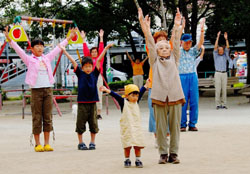
Every morning in Japan, before heading off to school, sparse piano music would tinkle lightly from the radio coupled with an incongruent bold voice counting: “Ich! Ni! San! Shi!” It was odd. An old world sound that eventually would prove quite comforting,  as though this program had existed for over fifty years.  It had. This is Radio Taiso, the 6:30am morning radio exercises in Japan. Radio Taiso is an integral, if not widely known, part of Japanese culture.

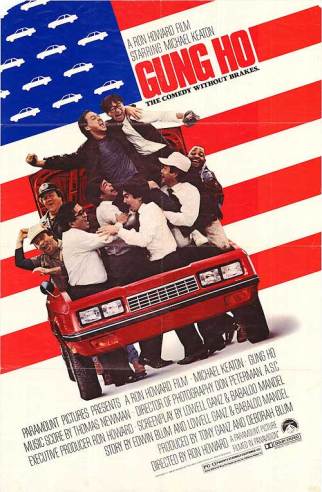
The first pop-culture American descripton of Radio Taiso that comes to mind is the 1986 Michael Keaton movie “Gung Ho”, which really is just wrong. The title “Gung Ho” is a Chinese derived phrase, yet the movie premise centers on culture clashes between Japanese and Americans at an auto plant.  This aside, at one point in the movie we witness automaker employees doing the morning exercises together. The American employees get freaked, as they would of course, by this large group fitness act.

Funny thing is, just like the automobile industry, the morning radio exercises started in the United States. Exercises on Japan’s NHK radio go as far back as 1928, but the idea for these exercises came to Japan by way of America, specifically from the American health insurance industry.  In the 1920’s Met Life in would sponsor 15 minute exercise radio broadcasts in major cities throughout the country, helping people stay fit. As is historically fitting, Japan took the idea and made it work really well,  helping lengthen their population’s lifespan, from age 40 in the 1920’s to 80 today. In fact, Japan has the highest population of seniors in the world.

During World War II and the Allies occupation, Radio Taiso was banned for seeming too militaristic, with large groups gathering to exercise together in unison. In the 1950’s they reemerged, and are still going strong to this day.  Children go to the local park in the summer, office workers gather together outside the office with loud speakers, and the older populations will turn on the radio and go along as they have for decades, starting their day with these routine exercises, to help build strength, work ethic, and unity within the community.

There are two sets of exercises, the second being geared more towards young people. The simple calisthenics promote increased energy, circulation, and improved flexibility. Go ahead and give it a try…

I’m gonna take the leap – going “ganbatte” vs. going “gung ho” – and suggest the United States take back Radio Taiso and broadcast a national morning exercise program, helping to build health, well being,  and community….just change the music, please.  Maybe a radio taiso mash up with special guest djs? It’d be like a new electric slide for fitness. Ok. I might have leapt too far…

がんばって!!!

100 Years of Galloping Fitness Machines

It’s in the expressions worn by the people in Zander’s advertisements that the real distinction between workouts of 1908 and workouts of 2008 can be found. Take the horse rider. She sits casually astride the machine, one arm out holding the “reins” on her anthropomorphized device. Her body leans slightly back. Her eyes gaze up at the camera, almost ecstatic, head thrown to the right a bit, a slight smirk on her face. She wears hose and heels, and the strap of her dress has fallen off the shoulder.

– “The Origins of Cybex Space” by Carolyn de la Pena for Cabinet Magazine

Wait. Has it really changed that much? At least our advertising has not.

Let’s compare.

One hundred years later we have similar smiling and provocative ads for the igallop and we wonder, does history not repeat itself? Or do we not at least learn from our mistakes?

Personally, I find the local Singapore ad below to be much catchier. Sticks in your head much more effectively, annoyingly so.

Now whoa there fella. Before wrangling yourself some sort of mechanical riding apparati, I offer you this observation from my pilates years; The two bodies I’ve come across with the most injuries, tension and pain are:

1. Dental Hygenists

2. Horseback Riders

The igallop isn’t exactly like a horse, of course. Just thought you might want to know before jumping on the bandwagon… or any other type of mechanical mountable fun.

Trademarking Movement

One thing we export well is the desire to possess something. The United States is the birthplace of branding, marketing, and advertising, as the world knows it today.  Create a product. Give it a name. Create a logo and build a brand around it. Trademark it. Franchise all over the globe.

Exercise method trademarks have been fairly recent newcomers to the legal scene. It’s understandable one would desire to maintain the integrity and quality of a movement method or philosophy. It’s also understandable one would like to profit from their creation. It’s is also understandable it all can get a little overwhelming, bogged down in jargon and eye rolls must be restrained.

Spinning. Zumba. NIA. Xtends. Tracy Anderson Method. Gyrotonic. This is the tip of the movement iceberg.

All trademarked. So while you can ride a stationary bike with a bunch of other people in a sweaty room filled with music and a really great energetic instructor egging you on…it might not be Spinning.

And while you are swishing your hips to a nice Latin number, it might not be Zumba.

Rights to the exercise method began to emerge in the 1980s, hitting a crescendo with the Pilates Trademark lawsuit that took place almost 2 decades ago. Without getting specific,  it was basically a large kerfuffle where one person claimed to own the rights to the name and exercise method, Pilates. He lost. It was determined Pilates was similar to Yoga, in that it was a generic exercise method name.

Since then gyms and instructors have been more careful, trademarking their methods of movement from the beginning and strictly controlling licensing the names, exercises and instructors.

Pilates has probably prospered more than been hindered by this legal decision. Most people have heard of it. Of course, there are people who have taken one class and now call themselves certified Pilates Instructors. Outside of those instances, there are many varied and good schools for Pilates’ method of exercise throughout the world. Each school is a little different, but all stem directly from Joseph Pilates and direct experiences with him and his training. The principles are similar. It’s comparable to the teaching lineages of various forms of karate, tai chi, yoga, etc. There are different types, but all are valid.

As a student pursuing an exercise program the choice and responsibility is up to you.  Research the best method and instructor in your area for you. Someone who is able to help you understand whatever movement method you decide to pursue. There is no one correct choice. Every body puts their own experience into what they teach and into what they learn.

Trademarking exercise might benefit the fitness regime creator or their method temporarily, but it may limit them long term. We all want to move and get fit, whether we find a certified instructor in a specific method, or someone who’s energy and style we simply enjoy. Having a strong working knowledge of the body’s structure, muscles and movement patterns is probably the most important thing you could require from a fitness professional.  Ultimately, there is no one ideal way for everyone to get fit. Trademarked or open to all, just find the movement you enjoy.

Bringing Out Your Animal Style: China’s Sporting Brands

Here it comes.

China’s economic growth will be bringing unique brands to the global market, enticing the eyes and wallets of people wanting something new.  We are still ahead of the curve, but trust me, they are on their way.

Sports in China are big. They have served China as a bridge to the outside world to showcase the country’s strength. Now that commercial sports marketing has edged it’s way in, sporting style is more popular than ever, and basketball leads the pack. Basketball’s got style. Nike has Yao Ming. And now, China’s got Shaq.

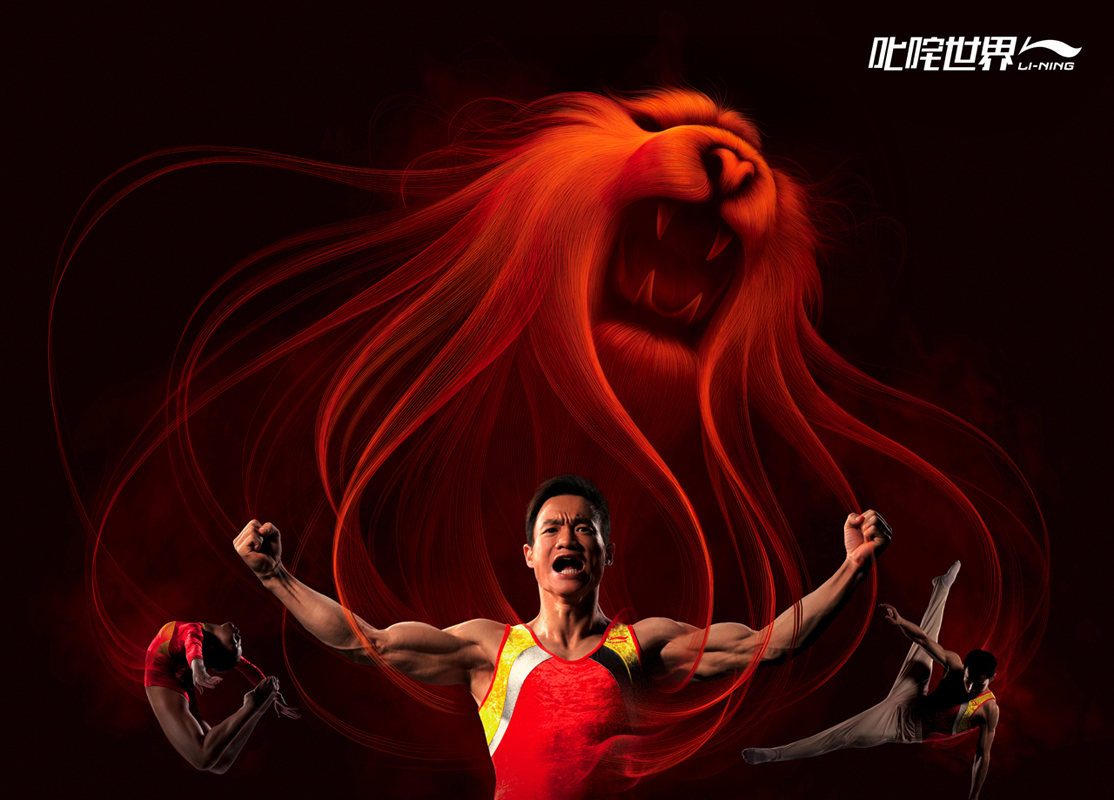
All things Western still maintain a certain cache, but, China has it’s own popular sporting brand directly competing with Nike…Meet Li-Ning.

Although the Li-Ning logo bears a striking resemblance to the Nike swoosh,  the company claims it represents the bounding energy exuded by brand founder and former gymnast, Mr. Li-Ning.

Li-Ning was a six time gold medal winning gymnast in the 1984 Summer Olympics. The company was formed under the guidance of the Chinese Olympic Committee in 1990, and has since skyrocketed to success within China in the past decade.

If you are a die hard basketball fan in the mood for something different, you could always make Li-Ning your thing.

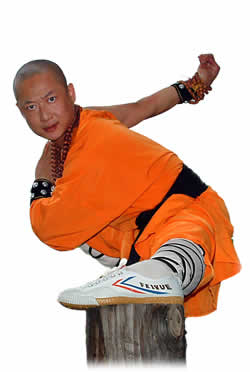
If you are looking for something with a little more street cred from those in the “China know”,  go back several more decades to the 1930’s and pick up the choice shoe of the martial arts set, the Feiyue. So cool is this old school Shaolin Monk shoe, that a French company has bought the rights and upped the design, and the price. To remain true to Chinese sporting chic, best bet is to find a martial arts store, or go to amazon, where they sell the originals for a few bucks. Feiyues are surprising comfortable, if not exactly supportive.

So there you go – a few ways to embrace the China Chic before the curve sets in. It’s like shooting a three-pointer from the mountain top, crane style.

Death by Sitting.

It’s kind of a “no-duh” moment. The difference being this “no-duh” moment was caught and propelled through the international media circuit.

The AP broke a story last week about the dangers of sitting all day.

Yes. Sitting all day is bad for you.

Thank goodness we have science to back up what our neck, shoulders, back, and brain have been telling us for years.

A little preventative health care goes a long way.

Force the time to get up and move around. Sit on a stability ball at work. Stand up at the desk for phone calls. No doubt since this news garnered national attention, businesses might remind you more often…maybe, but ultimately it’s your health, take responsibility.

Don’t just sit there and read this. Do something.

Does Traditional Pilates Need to Evolve?

AdvertPosture

Does our society’s lack of upper body awareness make traditional Pilates a difficult choice?

I come from that strict, traditional pilates training background. Pilates is such an interesting meld of Eastern movement principles, coupled with the efficient and rigorous German aesthetic.

There is a specific order of specific exercises. Every detail matters.

A rigid structure is important for creating a fundamental base of the exercises and knowledge of Pilates’ intent.

BUT

Over time, the teaching of these fundamentals can be shaped by both the instructor’s style and by the real bodies of clients. This is the creative and evolving human nature. Parallel movement ideas emerge and deviate, like Gyrotonic, Yamuna Body Rolling, and various core and balance training techniques adopted by the trainer at the gym, all striving to find the ideal for the human condition.

Here is the thought I pose to you:

Although traditional understanding is important, do you think Pilates needs to evolve to accommodate our changing bodies? Has it already?

Lets face it, technology has changed how we live.

Joseph Pilates created his method one hundred years ago, when people did more with their bodies throughout the day in general. Even the in-between movements are going the way of the dinosaur;  we have dishwashers, elevators, microwaves, and cell phones. Today most people spend their time sitting. We sit: in front of a computer, at a desk, watching tv, driving their car, etc.  Not much reason to get up…except for, perhaps, an hour of exercise.

The most common problems observed seem to stem from sitting: pressure on the back, neck, and the rounding forward of the shoulders. Each misalignment fuels the next. Lack of understanding and awareness of the upper body results in weak abdominals and a weak core.

The beginning of traditional mat pilates starts lying supine and drawing up the “chin to the chest”. This move alone seems to create gobs of neck and shoulder tension. Personally, it would be easy to spend an hour just on correct posturing of the upper body. Compromising, I spend the first 10 minutes of class finding ways to create postural awareness, later moving to a more traditional format…sometimes. Truth is, the longer I teach, the more my beginning classes look less like traditional Pilates and more like movement therapy.

Do you have a hard time getting clients to understand the importance of posture? Or, do you prefer to just keep them moving? Do you stick to the classic moves, or do you mix it up? Do you believe any long-term effective exercise program should include mind/body awareness.

By creating a dialogue, right here, perhaps a more cohesive understanding of the body could be brought to light.

What do you think?

Pilates_woman

Hmmm….Your brain needs the treadmill.

brain on treadmill 2

In the past month I’ve learned

1. that exercise won’t make me lose weight (according to the Article title in TIME)

2. and now it seems the treadmill makes me smarter.

Phy Ed piece in New York Times Sunday talk about the need for aerobic activity for the brain.

Pushing your body apparently stimulates dramatic blood flow changes creating new neurons and brain connections.

Makes sense. It’s often been said exercise could lift ones spirits, mood, and now cognitive abilities.

Just don’t get on the treadmill if you hate it.

There’s more to an aerobic workout than the treadmill.

A few ideas:

Running (outdoors)

Jump rope

tennis

swimming

dance

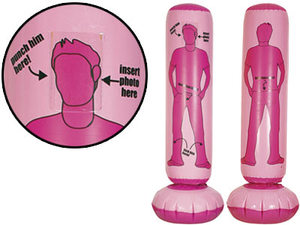
Or, get a punching bag, put some good music on, and knock the crap out of it. Very cathartic. Must mean the brain gets twice the benefit…

punching_bag

TIME Magazine, what have you done? Exercise Won’t Make You Thin?…ugh

a_wexercise_0817

Maybe while standing in line at the store you glanced through the recent TIME Magazine cover story:

Why Exercise Won’t Make You Thin

This bummed me out in the same way Tracy Anderson does. The title is misleading, and the article could be construed as confusing to people who are looking for a simple answer. (Despite this, it does contain interesting information and research.)

The title alone, Why Exercise Won’t Make You Thin infers we should all stop moving, because it’s not helping, and instead focus on what we eat. The title supports the all or nothing mentality so often held in America, seeking the path of least resistance.

Call it exercise or a walk to the store, either way, Please keep moving!

This article is really about the psychology of diet and exercise in the US, and the definition of the word “exercise”.

The truth is, exercise, or activity or movement will help you lose weight. It is a basic formula: less caloric intake plus more energy expended equals weight loss.

As stated in the article: The problem ultimately is about not exercise itself but the way we’ve come to define it.

AMEN! If nothing else, this is the statement you should take away from the Time Magazine article.

You may work out two or three times a week at the gym, an hour each time, but does your workout become an excuse to eat more? And how do you spend the other 166 hours that week?

Think moderation. You would be better off, moving all day long, albeit low intensity. It’s healthier, less impact on your body and better for the mind.

Have you ever been on a trip to a big city where you are constantly on the go while at the same time enjoying the city’s culinary delights, and upon returning home, are surprised to find you’ve lost weight? It is possible to enjoy life and stay healthy. Healthy living is not based on sacrifice and rewards. (Does this stem from our puritanical roots?) No matter how you slice it, the American perspective on health is a bit off.

Granted, it’s a big country. Few places in the US are navigable by foot like New York or San Francisco, making it harder to stay active throughout the day.  Use some creative elbow grease. Walk in the evenings after dinner with friends, take the steps, not the elevator, create a living environment and lifestyle that allows you more room to move and not just remain in the car or at the desk 10 hours a day. It’s a tall order, but the doing falls on you, and it can be done.

And yes! If you enjoy walking on the treadmill, then do it. If you enjoy going for a lap swim or taking a pilates class, then please go for it. Don’t stop. The key is to enjoy. Enjoyment keeps your brain happy, heart healthy, and stress levels down.

However you add a bit more movement throughout the day, always keep in mind moderation and enjoyment. Life is too short.

hg_60_plus_fit