New York Times:

 The Mind Body Moderate is no longer updating.
The archives will continue to be available here, should anyone like to take a peek. Please visit stephanieellison.com for current information. Thank you for your interest.
Best regards,
Stephanie Ellison

There’s no better time to turn up the music and dance madly than under a full lunar eclipse with a red hue that is aptly called a “Blood Moon”. So if this is part of your Monday night plans, which I’m sure it is, allow me ( and Diesel) to offer you a few dance moves to include in your lunacy. No worries though if it isn’t, there are three more Blood Moons on the way.
Only have 20 minutes for a quick workout? Keep it interesting and effective by incorporating several types of movements done with a focus on precision . Below is one suggested program. (Psst. Always consult a professional trainer, or your doctor before embarking on a new workout regime.)
5 MINUTES An intense cardio boost ( jump rope (my favorite), sprints, jumping jacks, burpees, etc)
8 MINUTES Pilates/Yoga – or a combination of moves that stretch and strengthen the body ( Good selective Pilates moves include: “Roll Ups” “The 5’s series”, “Swan” or back extensions, lying side legs, and “Teasers”).
5 MINUTES Traditional strength training (pull ups, chin ups, push ups, dips, and/or planks – forearm planks for weak core and wrists) Builds much needed strength for neck, shoulder, and back tension.
2 MINUTES Deep breathing to bring you back to a calm, relaxed and refreshed center.
It’s always good to mix it up. Extend one part of the routine for another after a few weeks to keep your muscles from settling into movement habits. And work with a professional instructor every now and then to get the most out of those 20 minutes. Every body is unique and has its own strengths and weaknesses.
Enjoy every minute!

(photo by stephanie ellison)
“You still reach them with imagination; you still reach them with love,” Baker said. “It was through imagination with many a young person that we got airplanes, telephones, motion pictures, you name it — it came through imagination first.” – Bob Baker
A vibrant imagination needs a good work out too, and soon there might be one less place in Los Angeles to exercise it.
The bad economy and new technologies have endangered a special nook in Downtown Los Angeles. Hidden away near an overpass sits a white block building, Bob Baker’s Marionette Theater, with a 50 year history of producing magic out of wood and strings.
Bob Baker started his marionette theater in 1953. Now registered as a historical landmark by the city of Los Angeles, it’s the longest running puppet theater in the US. Over the past decade, with the passing of business partner, Alton Wood, the digital advancements in movie effects, and the lack of public school funds for group field trips, the puppets are in serious trouble of abandonment.
Bob Baker, now close to 90 years old, is selling the theater, but not without putting up a fight to save both his theater and puppetry school.
According to the LA Times:
The total listing price for the five lots located on the corner of Glendale and First streets is listed at $2.05 million on Loopnet. This includes two vacant lots, the theater, storage and the corner parking lot.
Baker said he hopes that someone purchases the land with a lease-back option. Since the listing has been posted, Baker said they’ve already received calls from a few interested buyers. Baker’s also open to taking on an associate partner, or any other arrangements that could keep the theater in business, he said.
While you might not be able to afford purchasing a 2 million dollar theater, you can still make a charitable donation to keep Bob Baker’s Marionettes alive, at “Network for Good”.
Marionettes are completely fascinating – inanimate cartoons brought to life by faceless puppeteers, perhaps this is also the reason puppets can be irksome and down-right creepy, but in a fantastic, Roald Dahl kind of way. From a 300 year old Punch and Judy show, to Jim Henson’s The Dark Crystal, or a more recent portrayal in Being John Malkovitch, Marionettes give us a mythic and rich perspective on the world we’ve crafted and been crafted by, both the good and the bad. It’s a microcosm for all the world is and can be.
And it all happens to be housed in a time-capsule theater, hidden near an overpass, in Downtown Los Angeles, made with wood, and moved by strings. And while adults can appreciate Bob Baker’s Marionettes, only children can unlock its secrets through their own budding imagination.
Create a lifetime memory for a child, and workout your imagination by seeing the show this weekend and supporting Bob Baker’s Marionette Theater.

Fitness fashions have come a long way in styles and choices… but they still have a ways to go.
Sometimes we don’t want a logo emblazoned on every piece of clothing. Sometimes we get sick of the same styles, materials, and colors of pants and tanks seen on every other person. While quality pieces are important, sometimes we don’t want to pay $100 dollars for a pair of yoga pants, that if they do their job, get beat up pretty quickly. Sometimes it can feel like we’re a part of a workout wear army. Sometimes we want to – for good or bad – creatively express ourselves.
Your fitness regimen is all about you, and what it is you like to do. Above all else, it should be fun. Why not bring that fun and energy into your workout look. Here are some ideas for mixing in unique, and yes – even crazy – pieces to your fitness wardrobe that will expand your style options, while limiting the punch to your wallet:
THE ARTIST

Layered One Sleeve Mesh Crop top $12.95
Dancewear Solutions
With a focus on layering, a little creativity gets you a unique look.
THE MINIMALIST

Dance Department Adult “V Front” Jazz Pant $17.95
Discount Dance Supply
Who doesn’t need an extra “go to” black workout pant, that’s comfortable and easy to transition from exercise to errands. The lack of exterior branding makes for a stealthier alternative.
THE WILD ONE
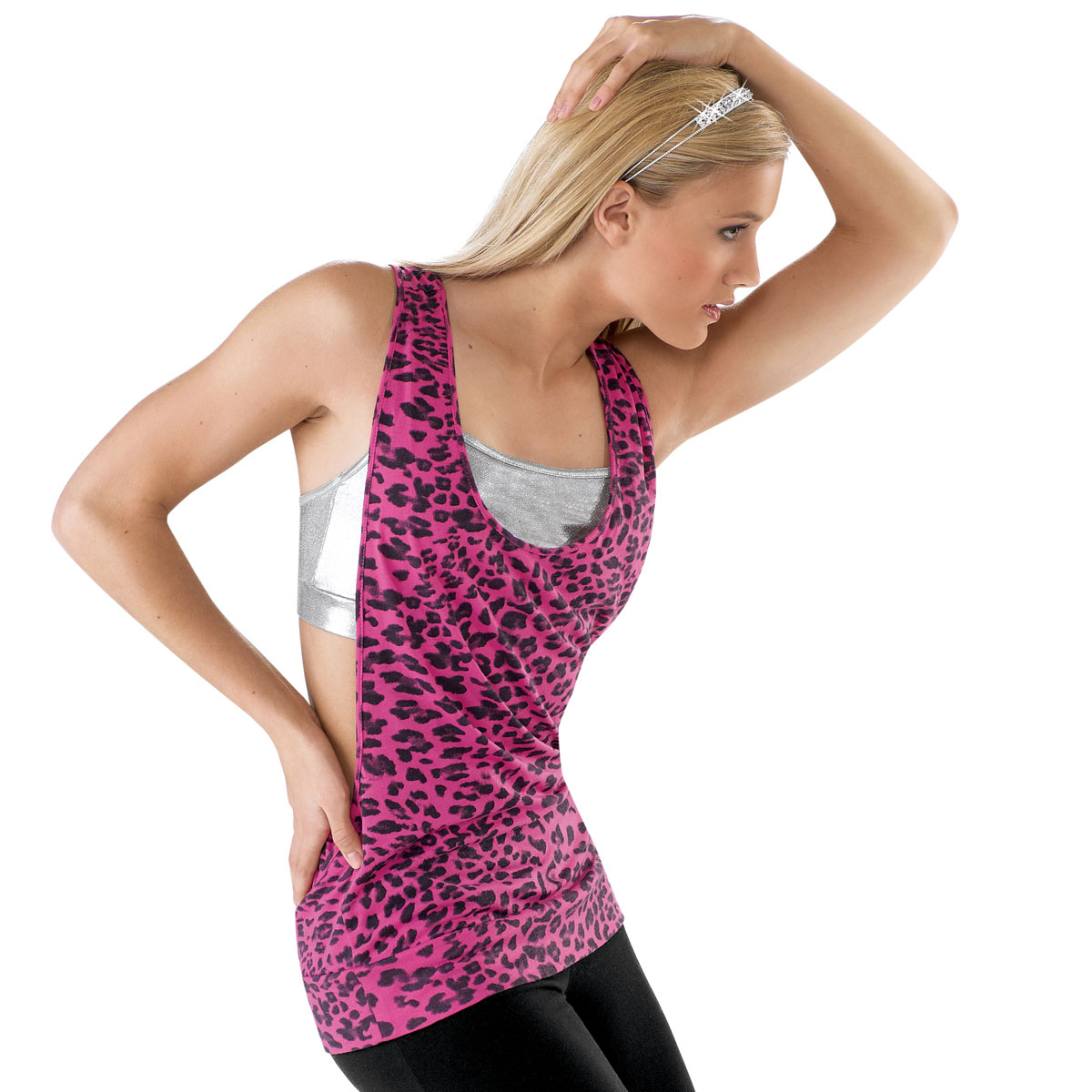
Open Sides Racerback Tank $13.95
Bring out your animal style in this fun leopard tank.
Dancewear Solutions
BOHEMIAN CHIC

Fisherman Pants by The 7th Rabbit $14.99
Etsy.com
Light, breezy summer cottons with fun prints. Easy to wear in yoga class or on a picnic.
BOLD SPARKLE AND SHINE
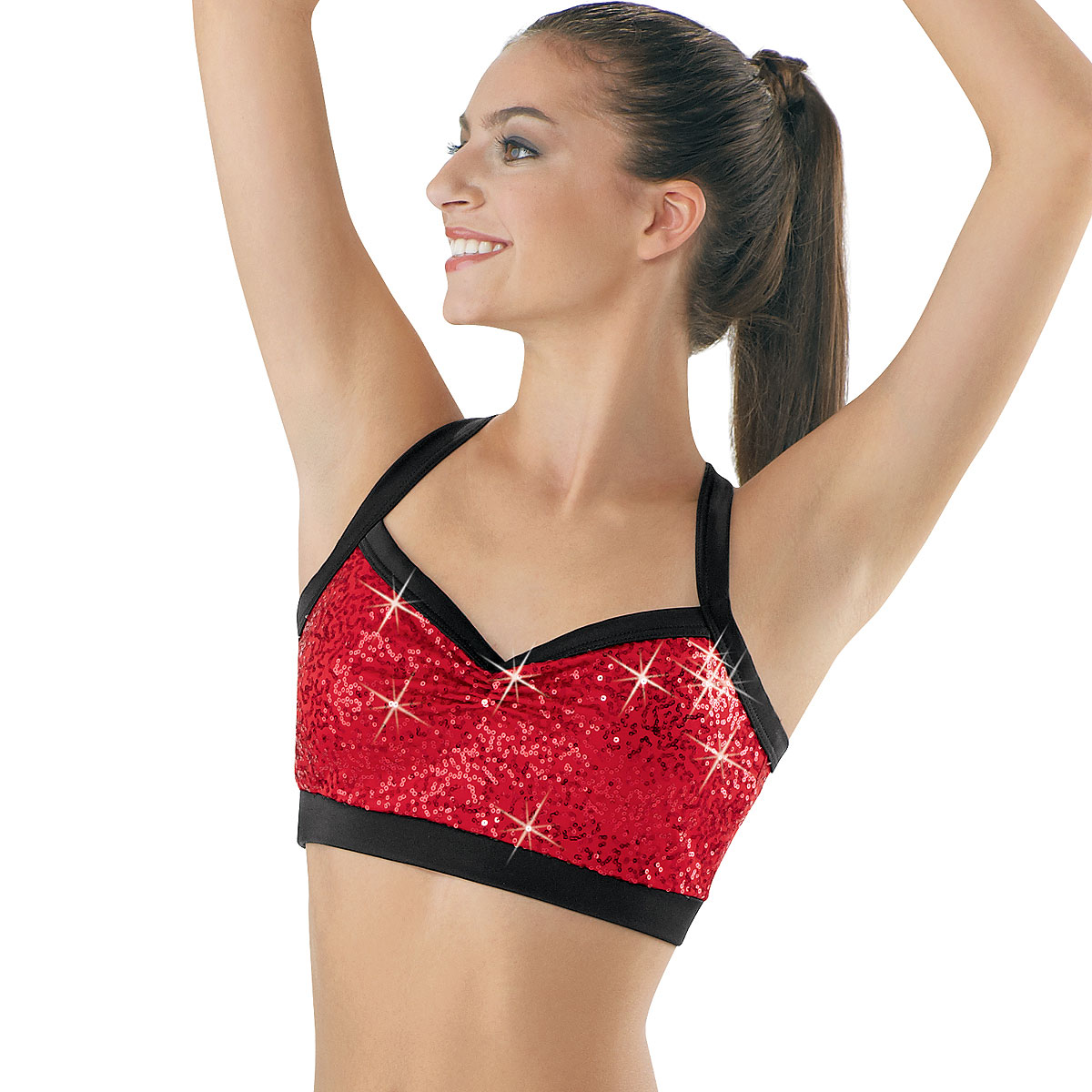
Sequin Bra Top $19.94
Dancewear Solutions
Throw this sparkly number on under a white tank top or cut-out t-shirt, to let a hint of your inner circus performer shine through.
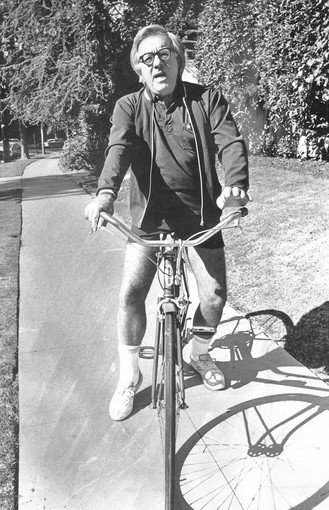
Ray Bradbury | 1920 – 2012
SOMETIME in the next five years, traffic all across L.A. will freeze.
The freeways that were once a fast-moving way to get from one part of the city to another will become part of a slow-moving glacier, edging down the hills to nowhere.
– Ray Bradbury, February, 2006, Los Angeles Times

This is how Ray Bradbury started a Los Angeles Times essay back in early February, 2006, expressing his belief that a monorail system would help solve transportation problems in LA. This wasn’t a new proposition. Bradbury fought for over 50 years for a monorail system – his clean, noiseless, cost efficient solution to Los Angeles’ public transportation woes…to no avail. Often seen traveling on his bike, between bookstores, theaters, and other favorite spots around town, even in his transportation choices, Bradbury was ahead of his time.
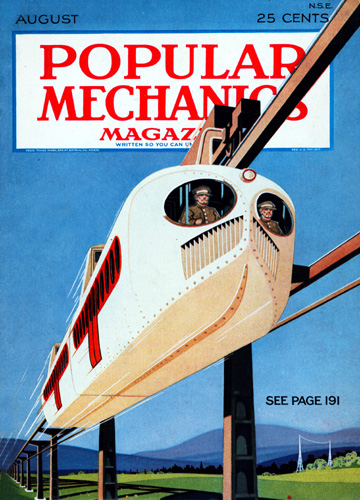
Popular Mechanics Magazine
Ray Bradbury’s unfettered imagination and zest for life, reveling in both its ugliness and beauty – whether it be in the horror and ecstasy of fiction, or the dirt and sun of Los Angeles – will remain an inspiration throughout the rest of my lifetime, and countless others in Los Angeles, and the world.
Wouldn’t it be great to honor Bradbury by picking up his cause, pursuing the dream of a Los Angeles monorail? Call it the Rayal. The conductor uniforms would be akin to Mr. Electro – coattails, top hat, and all. The decor theme could be a rocket to mars, and the interiors would smell of “all the thunderstorms throughout time”. And why not? If we remember nothing else, it’s that Ray Bradbury challenged each and every one of us to dream the big dreams. He will be missed.
What fun you are missing, then. The fun of anger and disillusion, the fun of loving and being loved, of moving and being moved by this masked ball which dances us from cradle to churchyard. Life is short, misery sure, mortality certain. But on the way…why not carry those two inflated pig-bladders labeled Zest and Gusto. With them, traveling to the grave, I intend to slap some dummox’s behind, pat a pretty girl’s coiffure, wave to a tad up a persimmon tree. Anyone who want to join me, there’s plenty of room…
– Bradbury 1973

Ethan Pines for New York Times
Summer is officially here. It’s time for pedicures, beefing-up on barbecue skills, and generally doing anything that calls us out into the fresh air and sun. It is the best time to take fitness outdoors too, and I don’t mean lugging the treadmill out of the backroom to the porch. In case you forgot, there’s no age limit on playing outside. Bikes, roller skates, skateboards, and jump ropes are great go-to summer toys, but here are a few other fun outdoor ideas you might have forgotten:
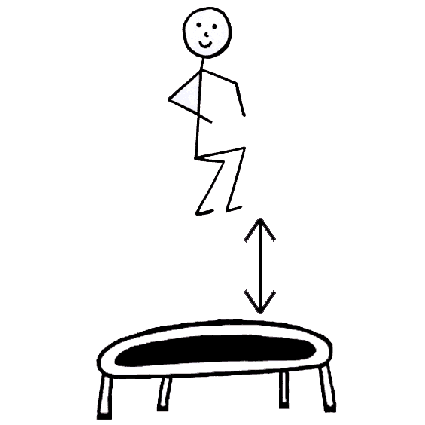 Trampolines
My parents claimed this was the best investment they ever bought our family. We used it regularly, every summer, for 15 years, with lots of giggling, lots of exercise, and luckily, no broken bones.
 Kites
Kites
Kites are beautiful, artistic, and fun to run around with in the hopes of setting aloft. Make it a DIY party and gather some friends, craft your own, and have a kite-flying contest. Here’s a cool do-it-yourself kite from Popular Mechanics.
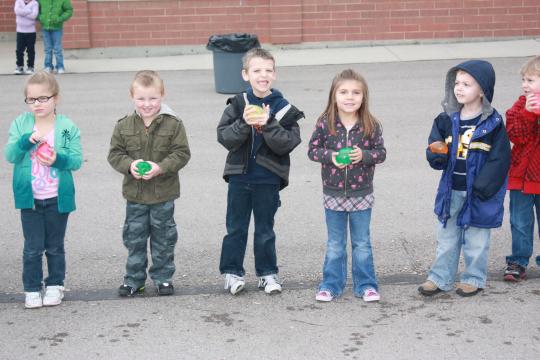 Water Guns – or better yet, Water Balloons!
Personal politics about warfare and guns aside, this is a great way to cool down and laugh when it’s hot. Play capture the flag with teams of friends. Or have a little one-on-one couples therapy. Loser makes dinner.
 Unicycle
Not only a mode of transportation, it’s a great way to work on balance skills and impress friends. When starting out, a good spot goes a long way. Be patient and you’ll soon be speed cycling with the best single wheelers out there.
 Pedalo
A wooden German toy that’s been around for decades, it’s a slightly safer variation on the unicycle. The pedalo builds balance and body awareness. Preparing you to be a natural on the…
 Tight rope
Go to the local hardware store and get a strong, thick rope. Tether it, securely to 2 points, starting at just a few inches to a foot off of the ground. Have tight rope walking competitions. See who can balance the longest, walk forward and backward, maybe even jump up and down. If you’re an adult at a barbecue with friends, watch out for “beer confidence”. No sprained ankles, please.
 Retro Toys – Pogo Sticks, hula hoops, and Slip n’ Slide?
These were all popular for good reasons…except maybe slip n slide, with personal memories of grass stains and elbows burns. A lot of the flash back toys are silly mayhem for adults and kids alike. As a parent, you might be able to show off your impressive muscle memory skills to the young ones.

What are your favorite outdoor toys? Send us your ideas!
 There’s is no cure for dementia or alzheimer’s, but in the quest for one, researchers are now able to offer evidence-based suggestions to help prevent early onset. Most of the tips are easy to implement. And the sooner you start, the better your chances of prevention.
 1. Eat nuts, olive oil, flax seed, and fish – According to research, it’s all in the omega-3 fatty acids, which might help prevent certain memory and mood problems.

2. Be bilingual – Bilingual people tend to postpone dementia by several years compared to those who are monolingual, according to researchers in Toronto. If you don’t speak two languages, now is a good time to pick another one up. The challenge can help stimulate reserve parts of the brain. I hear Polish is fun. And who knows, perhaps mastering the tones of Chinese might even improve your pitch and singing skills.
 3. Use the computer – It’s still not a good idea to sit at the computer all day long. Learning to use the computer can stimulate the brain, but the research specifically states it’s finding based on computer learning coupled with physical activity, which happens to be #4…

4. Exercise – Moderate activity is always a good thing! Some researchers say resistance training, like Pilates, is best for dementia prevention. Also high on the list is social exercise, like dancing, since studies suggest music also helps in preventing dementia, depression, and enhancing memory recall.

5. Drink – This is the fun one, but it’s also tricky. Certain studies link alcoholism to increased risk of dementia, yet others find moderate drinking, like a glass of wine with dinner, may actually help prevent it. Just another reason why “everything in moderation”, is a pretty darn good maxim to live by.
With the weekend just hours away, it’s time to let loose! Not like you need it, but here’s additional incentive to party tonight – dancing, alcohol, and flirting all fall under the umbrella of healthy living…within moderation, of course. Howcast and GE’s Healthy Imagination project joined forces in this video with healthy ways to live it up this weekend. I’ll be seeing you on the dance floor…

 The Mind Body Moderate